Every year for the holidays, cheese boreg and lamajoun show up on our table. For years, we didn't make either one ourselves. We paid someone to do it for us, because it's a little bit of a process, and honestly, it felt easier to just order it.
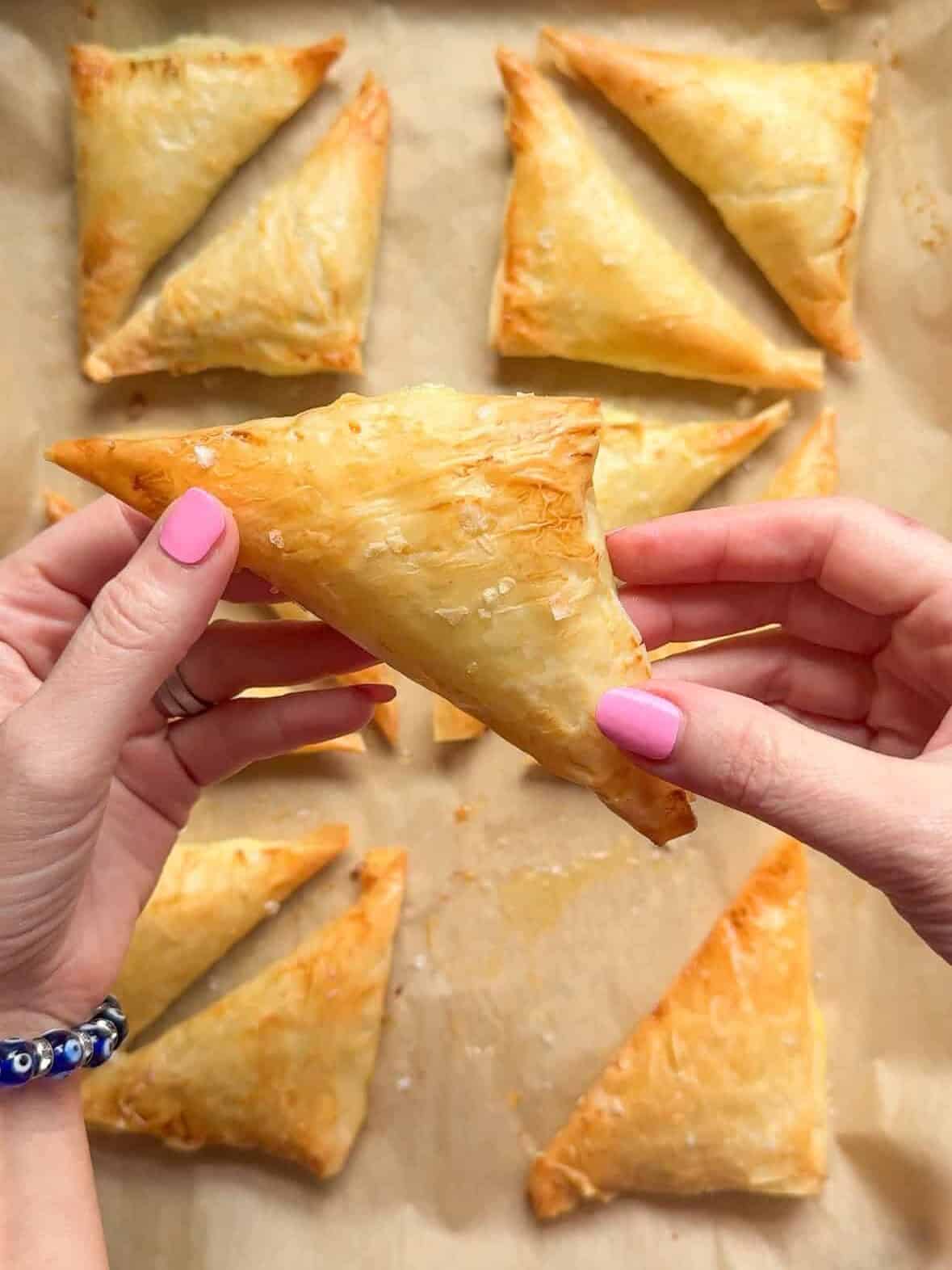
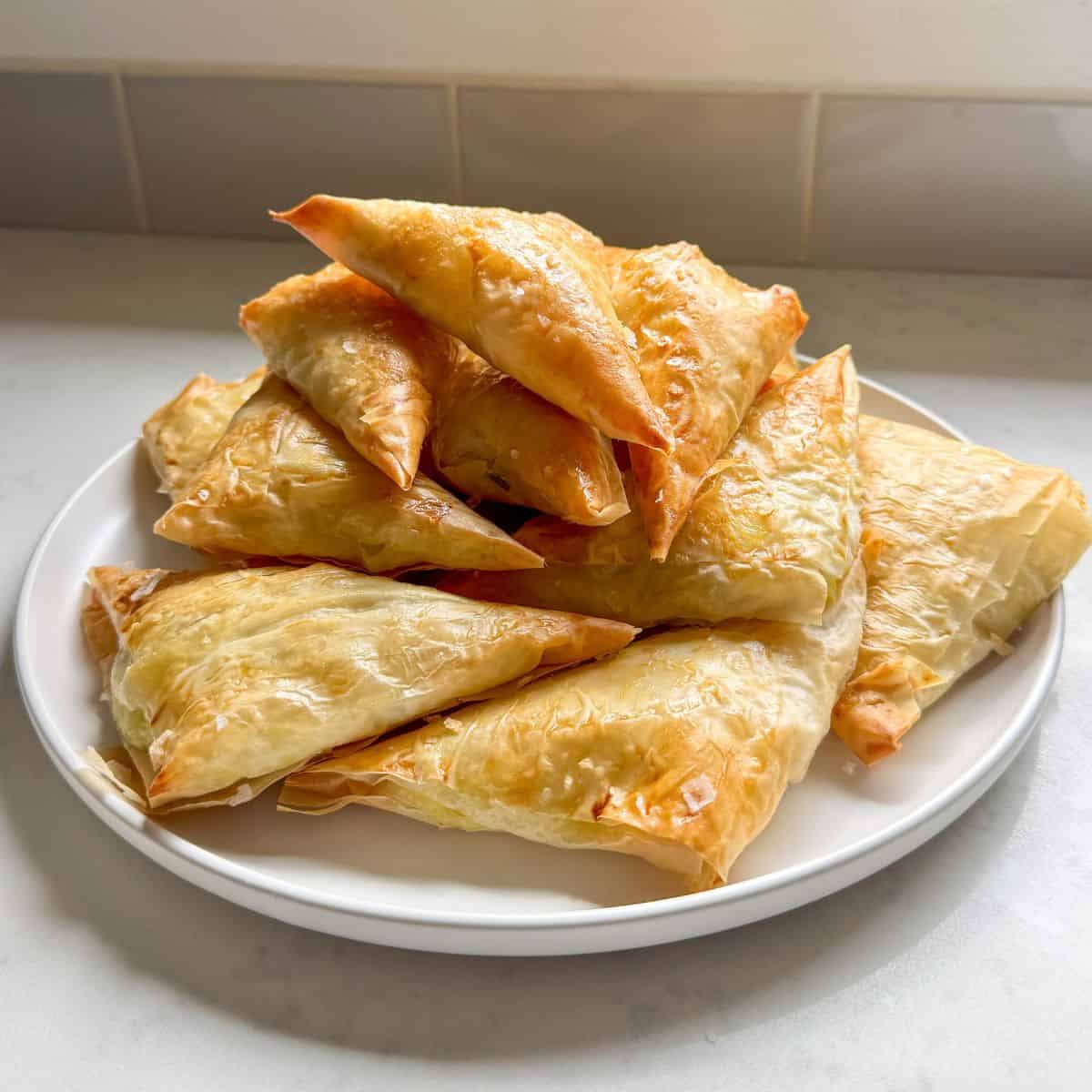
Then we did the math. It's not cheap to feed a family this way every single holiday. So this year, we decided to make our own. And the thing nobody told me? Homemade tastes better. Not a little better. A lot better. Buttery, crisp, still warm from the oven, filled with two cheeses that melt into something rich instead of rubbery. It's cheaper, it's better, and it turns out it's not nearly as hard as I thought it would be.
If You Like This Recipe, You'll Also Love
- Lamajoun — the other half of our holiday table, and the recipe most people order alongside cheese boreg
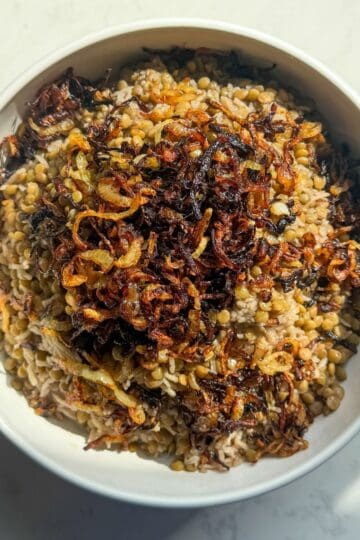
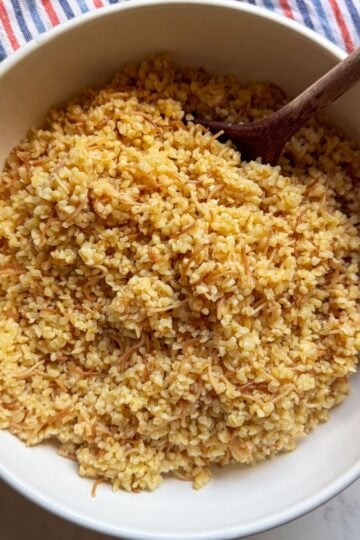
- Mujadara — an easy lentil and rice side that pairs well with anything Middle Eastern or Armenian on this list
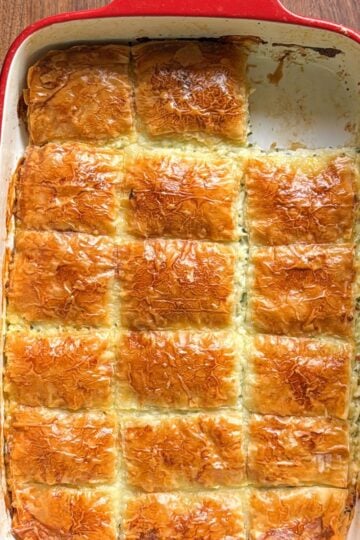
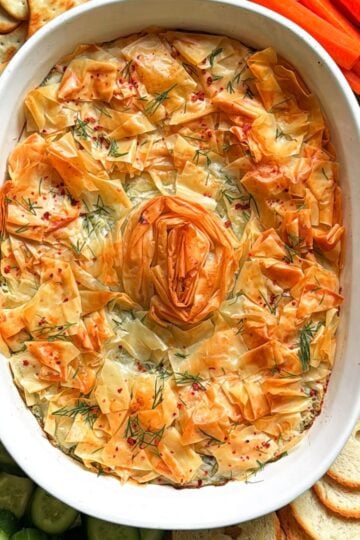
- Armenian Sheet Cheese Boreg — the same filling, baked as one big sheet instead of individual triangles, if you want a lower-effort version
- Shish Barak — dumplings in a tangy yogurt sauce, another great side if you're building out a full spread
What to Serve With Cheese Boreg Triangles
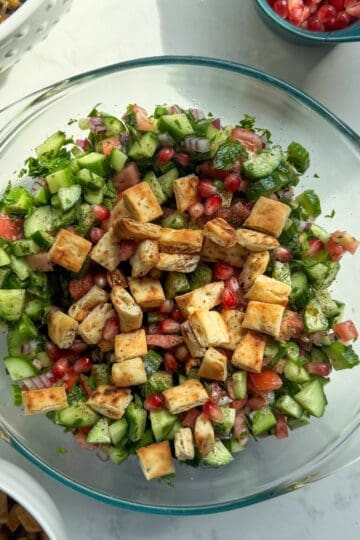
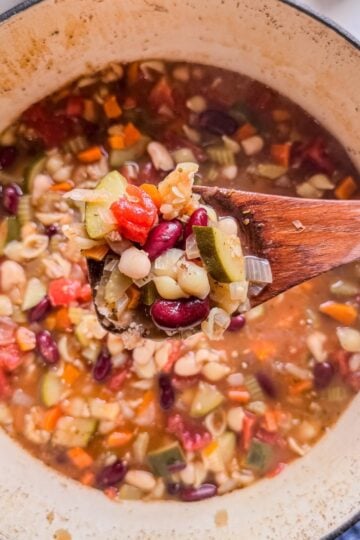
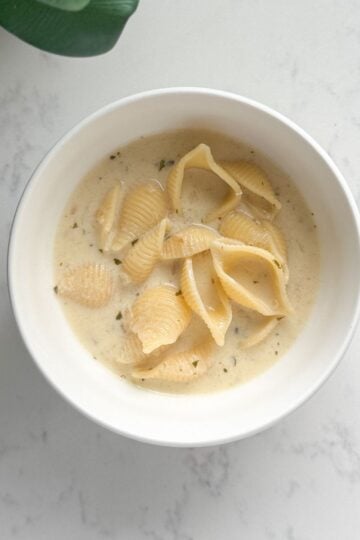
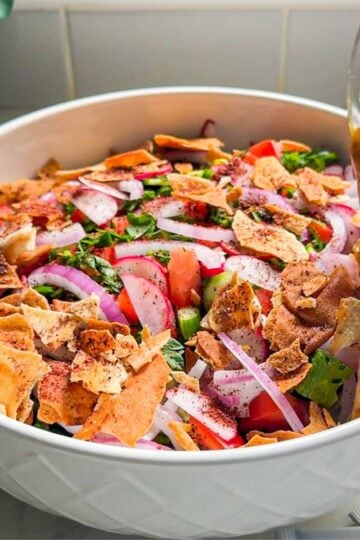
Cheese boreg pairs beautifully with other dishes from our table. Try it alongside lamajoun, mujadara, shish barak, authentic Lebanese fattoush salad, chicken shawarma, vegetarian stuffed grape leaves, or tutmaj abour (Armenian yogurt soup) for a full spread.
Jump to:
- If You Like This Recipe, You'll Also Love
- What to Serve With Cheese Boreg Triangles
- What Is Cheese Borek, and Where Does It Come From?
- Ingredient Notes
- How to Make Cheese Boreg Triangles
- Substitutions
- Variations
- Equipment
- Storage and Freezer Instructions
- Top Tip
- Frequently Asked Questions
- Recipes You Should Try!
- Recipes To Pair with Cheese Boreg
What Is Cheese Borek, and Where Does It Come From?
Boreg (also spelled borek or börek, depending on where you're from) is a thin, buttery pastry wrapped around a filling, and cheese is one of the most common ones. It's not just an Armenian dish. Greeks have their own version. So do Georgians and much of the broader Middle East and Mediterranean. Different names, different folds, different cheese blends, but the same basic idea: something rich, wrapped in dough that shatters when you bite into it, made in kitchens that didn't have much but always found a way to make something worth gathering around.
For Armenian families, especially those of us with roots along the Mediterranean coast, boreg has always been a dish for gathering. Weddings, holidays, Sunday visits. Every family has their own fold, their own cheese blend, their own little tricks nobody writes down. This is ours.
Ingredient Notes
This recipe keeps things simple. Nothing here is hard to find, and most of it you probably already have on hand, aside from the cheese and phyllo dough. Here's what goes into the filling and why each piece matters.
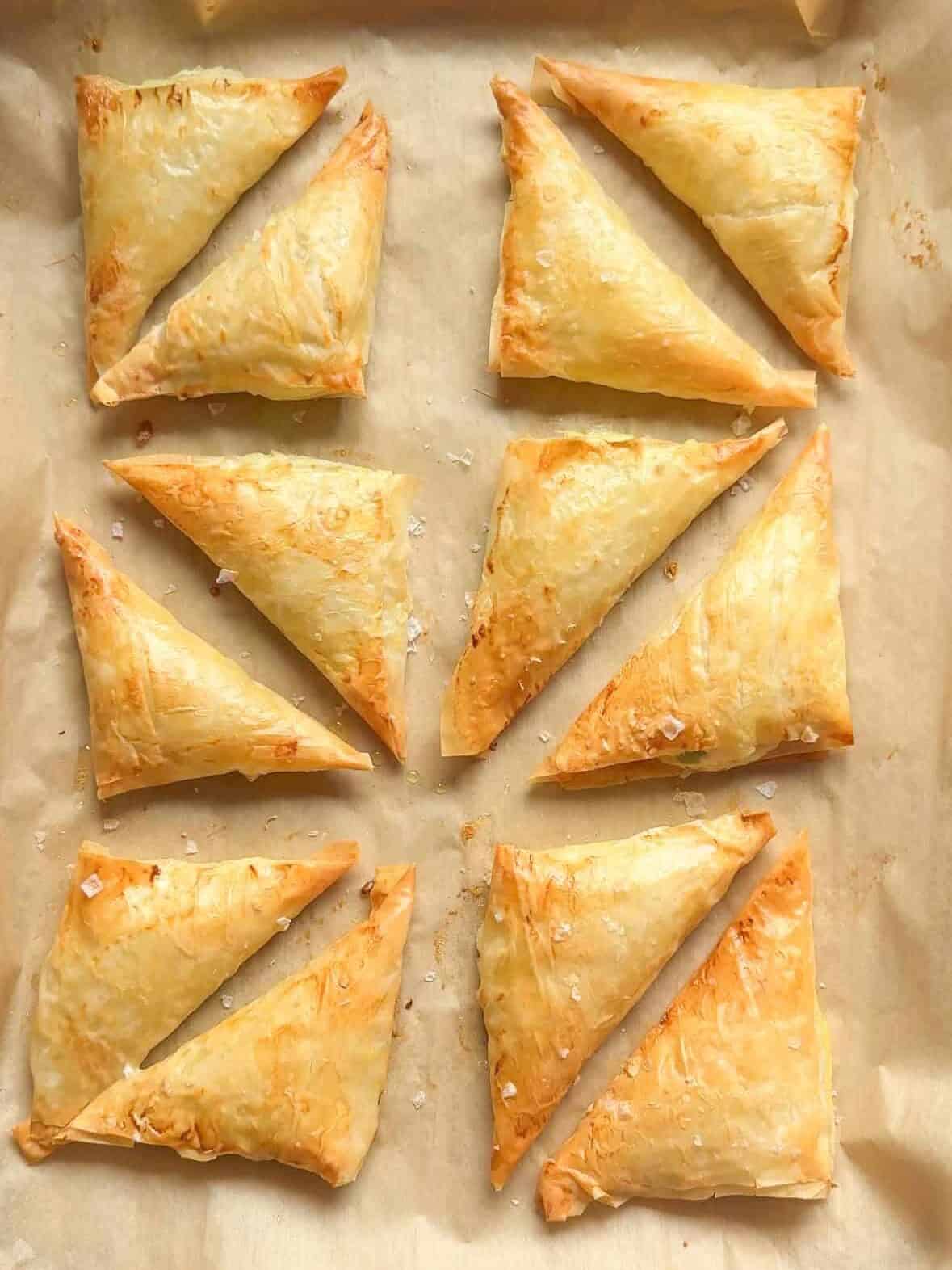
- Phyllo dough — Use a fresh box, not something that's been sitting in your freezer for months. Old, dried-out phyllo crumbles and tears instead of folding cleanly, and you'll end up frustrated instead of proud of what you made. Buy it within the last month if you can, and thaw it in the fridge overnight rather than on the counter.
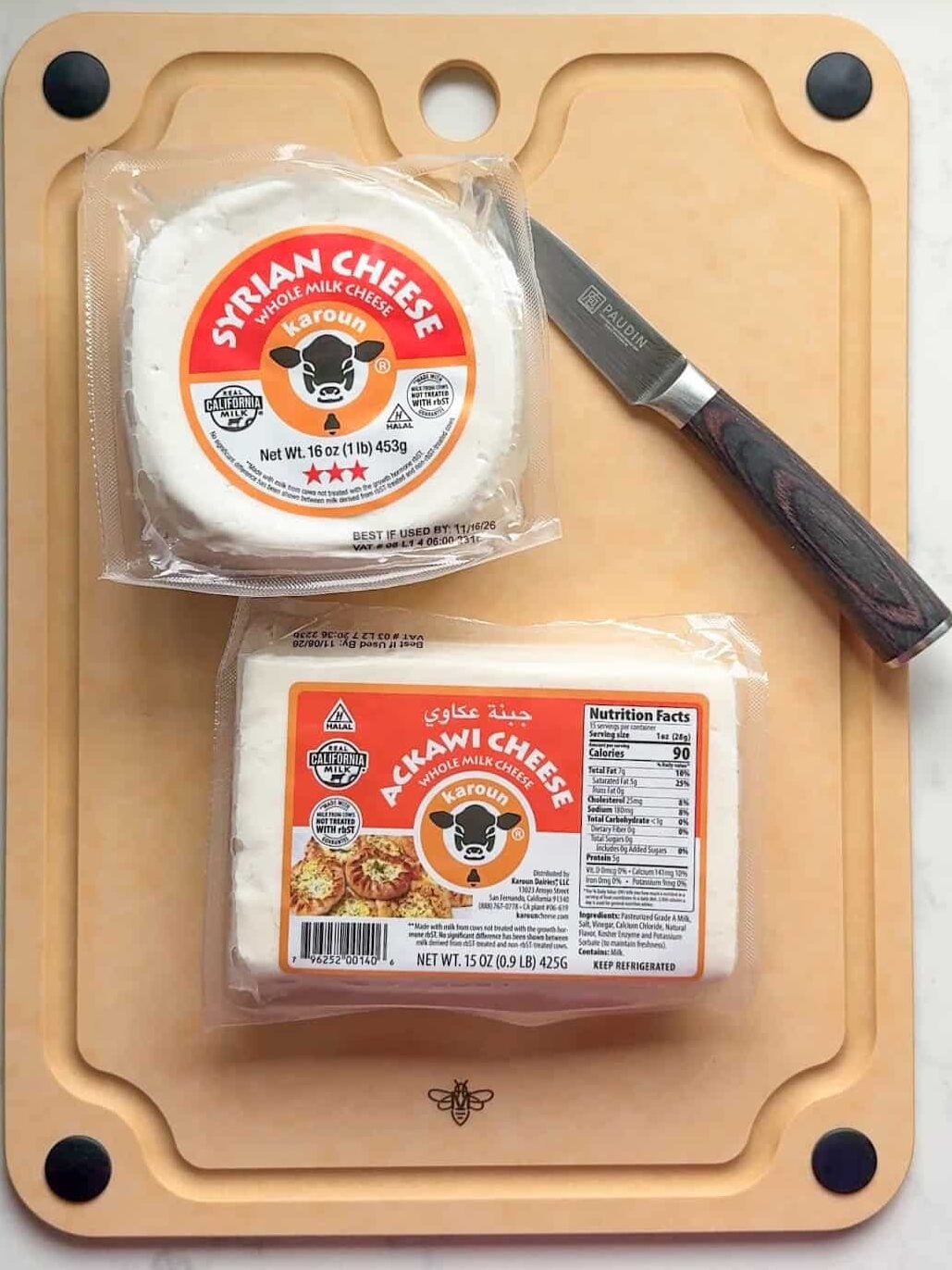
- Cheese — This recipe uses a blend of two cheeses in equal parts: a soft, mild Syrian cheese and a firmer, saltier Ackawi cheese. The Syrian cheese keeps the filling soft and melty, while the Ackawi adds bite and salt, and together they balance each other out in a way that neither one does alone. I use Karoun's Syrian cheese and Karoun's Ackawi cheese for this batch, not because I have to (nobody's asking me to), but because I genuinely love this brand and it's what I keep in my own fridge.
- Sweet onion — Specifically sweet onion, not yellow or white. It brings a mellow sweetness that plays really well against the salt in the cheese, and it's worth seeking out.
- Parsley — Fresh, finely chopped. It adds color and a little brightness so the filling doesn't feel one-note.
- Butter — Two sticks gives you generous, well-buttered layers. If you're not as liberal with butter as I am, you can cut this down, though your triangles won't puff quite as beautifully.
- Eggs — You'll need three total. Two go into the filling to help bind everything together, and the third becomes your egg wash for the top.
- Black pepper and Aleppo pepper — Aleppo pepper is optional, but it adds a gentle, fruity heat that I love in this filling.
See recipe card for quantities.
How to Make Cheese Boreg Triangles
Once your phyllo dough has thawed in the fridge overnight, this comes together faster than you'd expect.
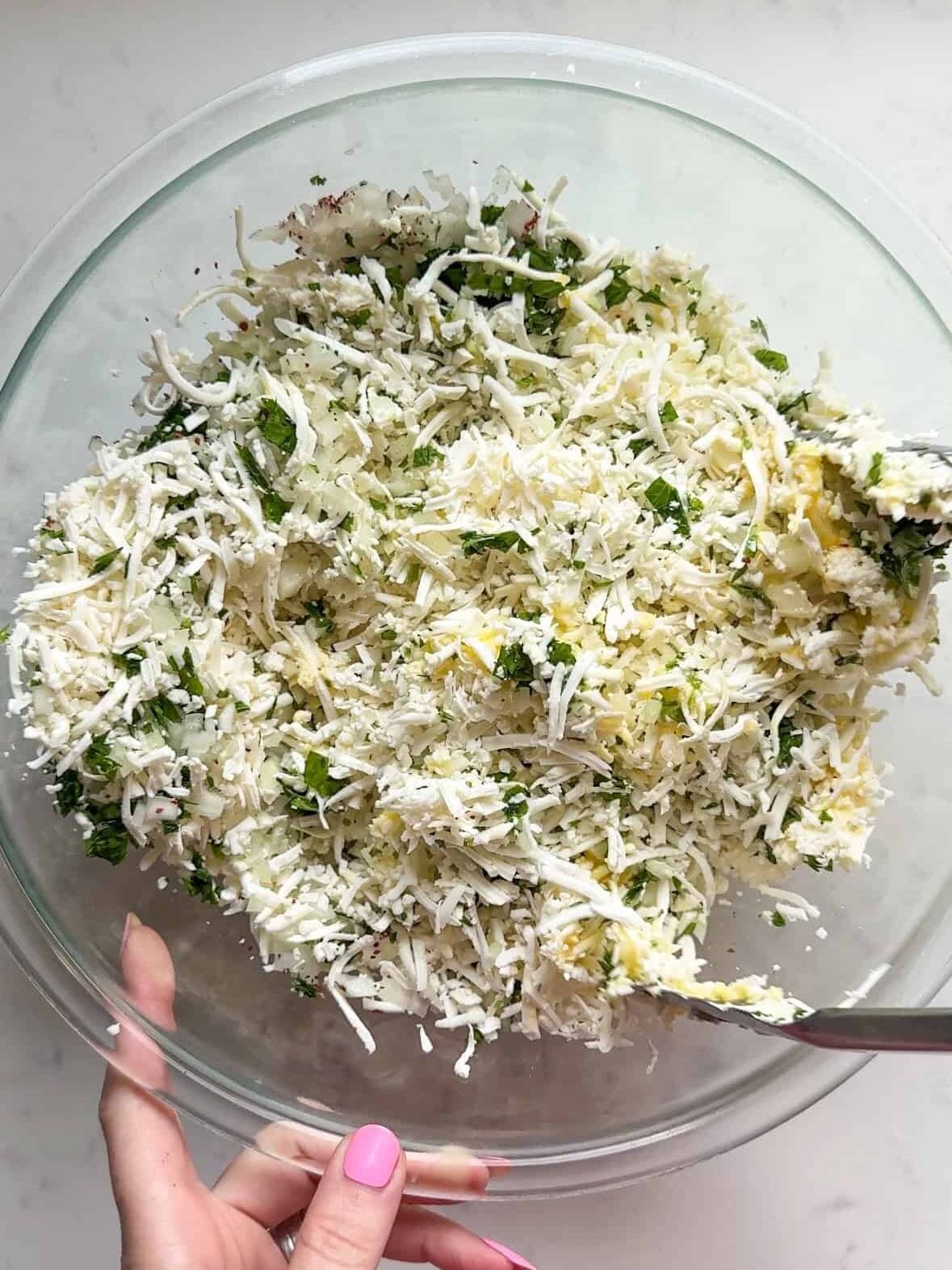
- Step 1: Mix the shredded cheese with onion, parsley, seasoning, and eggs.
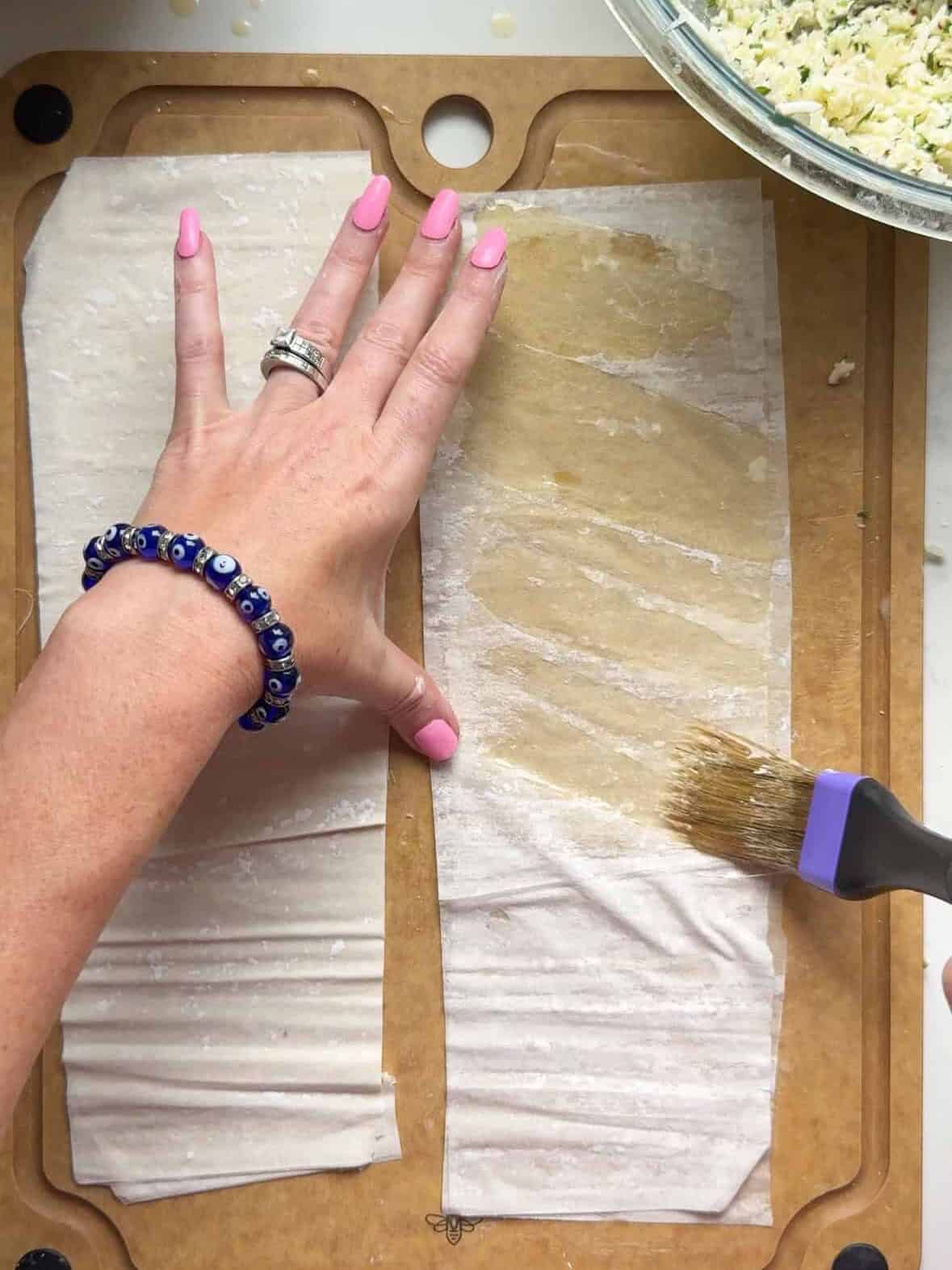
- Step 2: Layer and butter two sheets of phyllo dough.
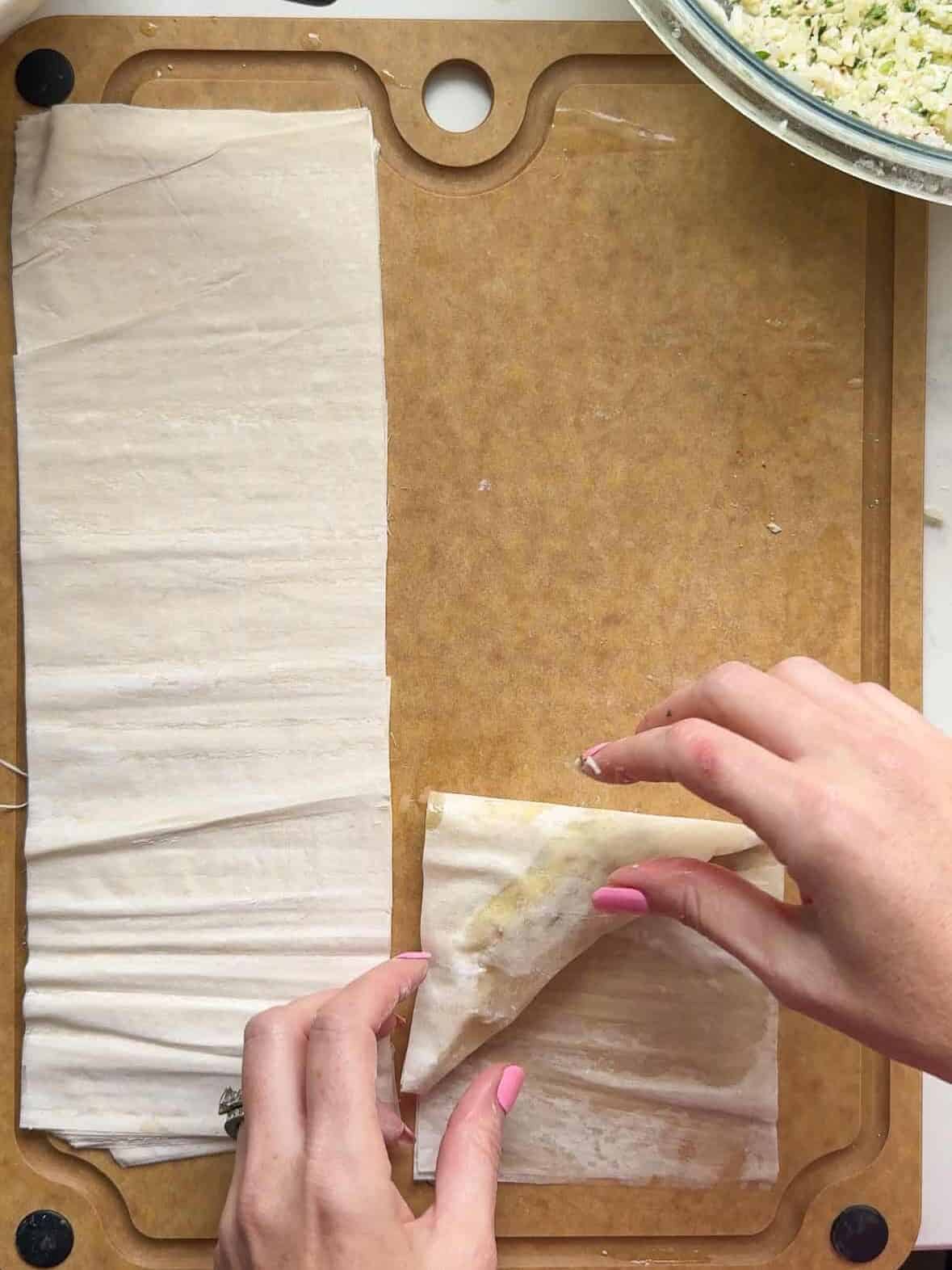
- Step 3: Add filling and fold into a triangle, sealing the edge with butter.
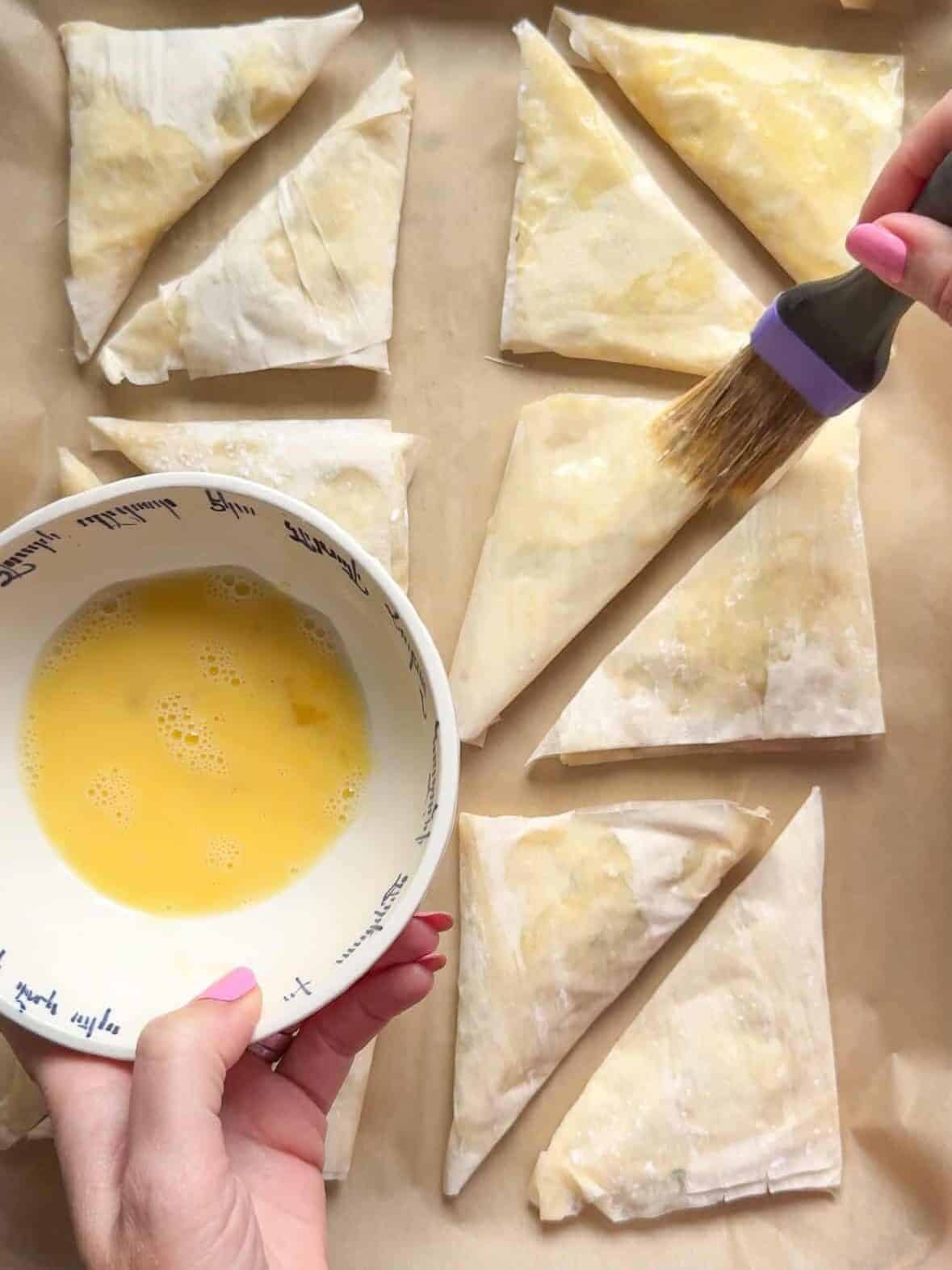
- Step 4: Brush with egg wash, top with sea salt, and bake at 375°F for 15–17 minutes.
Hint: Keep your phyllo sheets covered with a lightly damp towel while you work. Phyllo dries out and cracks fast once it's exposed to air, and a damp towel keeps the rest of your stack workable while you fold each triangle.
Substitutions
Don't have everything called for on hand? Here's what you can swap without losing the flavor of this recipe.
- No sweet onion on hand? A yellow onion will work, though you'll lose a bit of that mellow sweetness that balances the salty cheese.
- Don't have Aleppo pepper? A pinch of crushed red pepper flakes or a dash of smoked paprika will give you a similar warmth, though the flavor won't be quite as fruity.
- If you can't find Karoun Syrian or Ackawi cheese near you, a combination of mozzarella and feta will get you close, with mozzarella standing in for the melt and feta for the salt and tang.
Variations
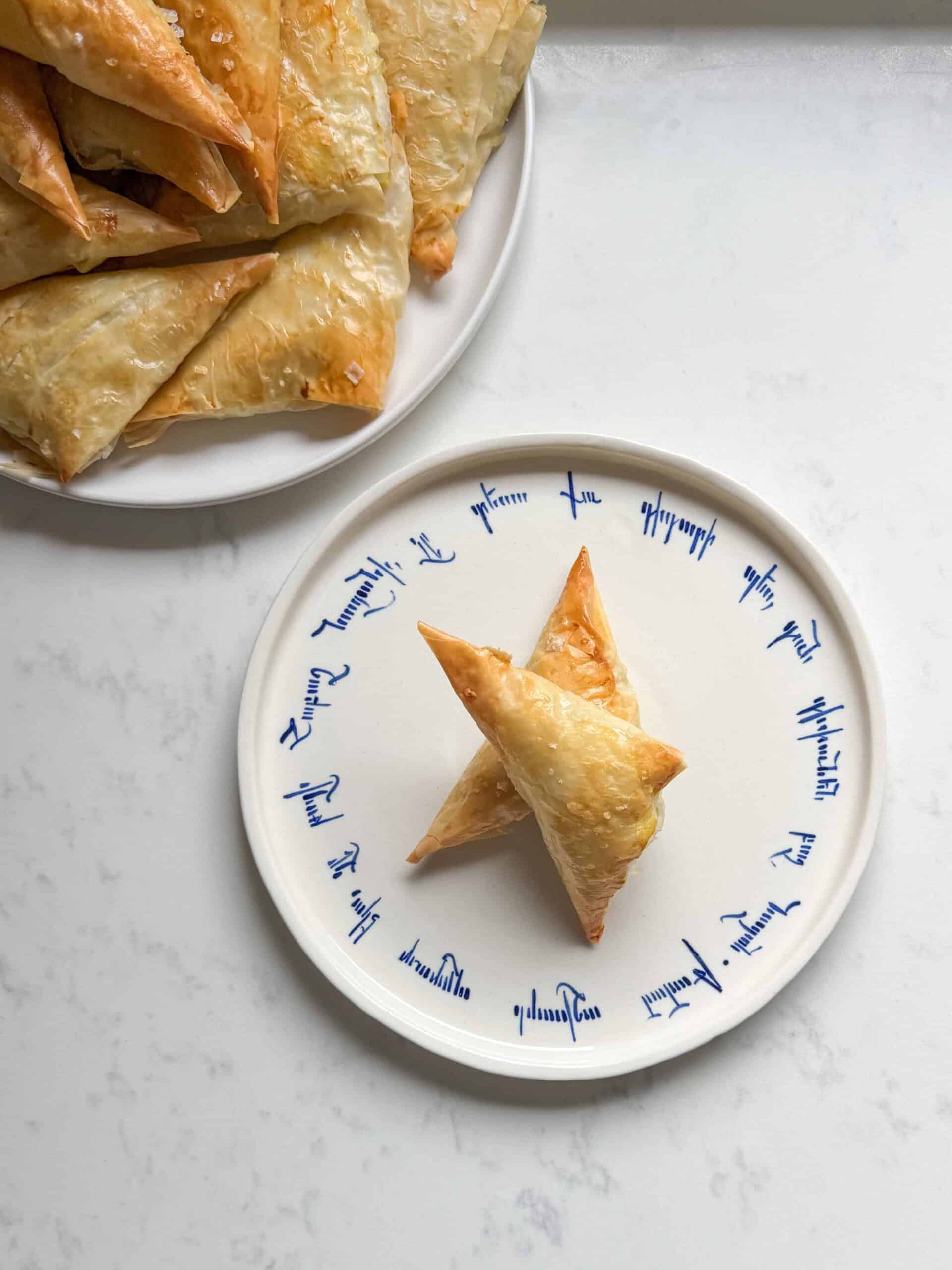
Want to switch up the size or portion these for a specific occasion? Here are a couple of easy ways to adjust the recipe.
- Smaller triangles: Cut your phyllo sheets into thirds instead of half, and use closer to 1½ tablespoons of filling per triangle instead of 2 to 3. This gives you more, smaller pieces, which is great for a party or appetizer spread.
- Larger triangles: If you'd rather have fewer, heartier pieces, keep the sheets cut in half and use a slightly more generous amount of filling.
Equipment
Nothing fancy required here, just a few basics that make the process faster and cleaner.
- Food processor (for shredding the cheese)
- Pastry brush
- Baking sheet
- Small tray or plate (for freezing triangles flat before bagging)
Storage and Freezer Instructions
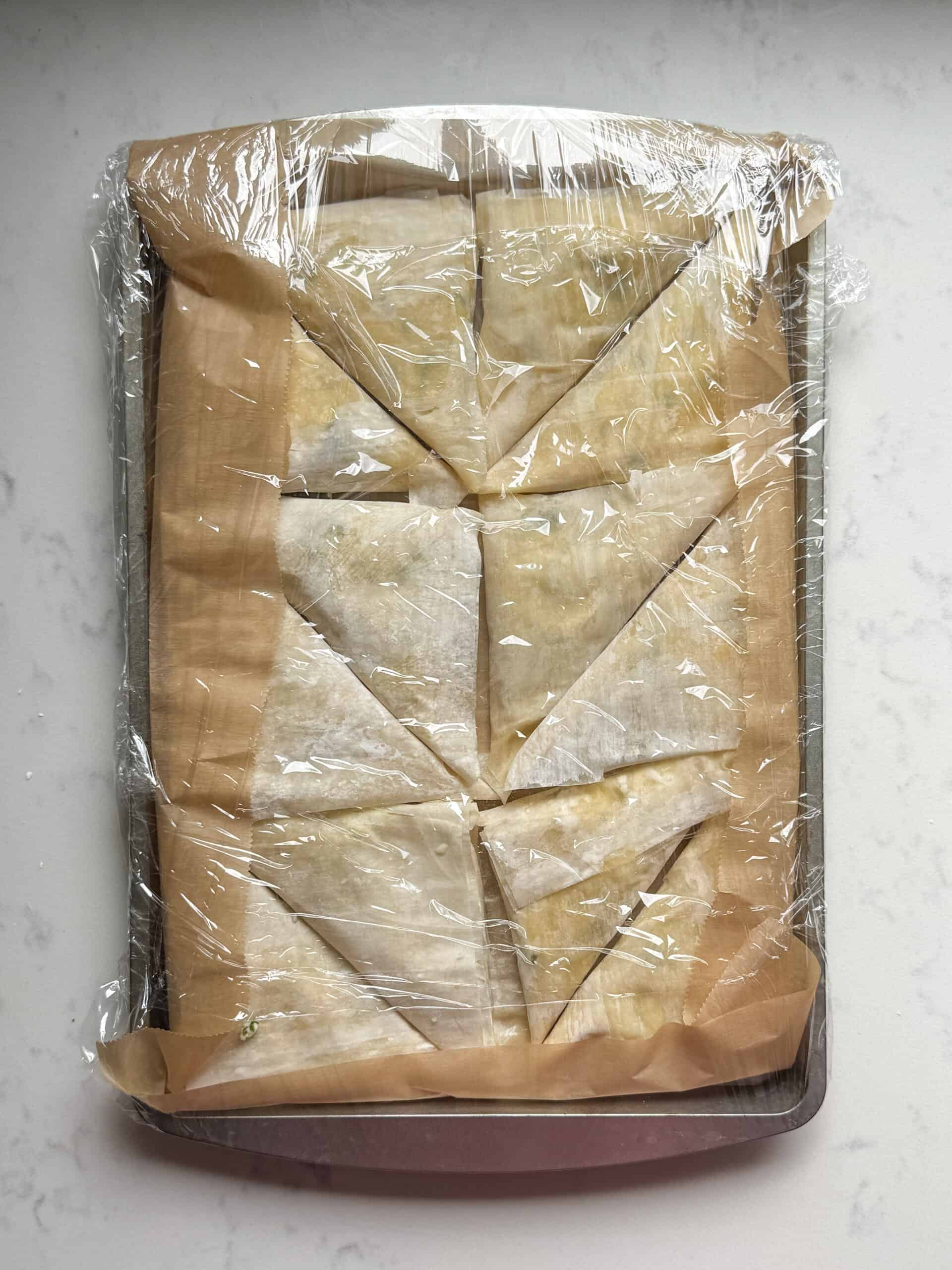
These freeze beautifully, which makes this recipe worth doubling.
To freeze, arrange the baked (or unbaked) triangles in a single layer on a small tray or plate so they aren't touching, and freeze until solid. Once frozen, wrap them well and transfer them to a freezer-safe bag or container. They'll keep in the freezer for 2 to 3 months.
To reheat, you can go straight from the freezer to the oven, though it will take a few extra minutes compared to a fresh batch, so keep an eye on them until they're golden and heated through. You can also let them thaw in the fridge for a few hours first, which will bring the reheat time closer to the original bake time. Either way, space them out on your baking sheet the same way you did before freezing, so they crisp evenly.
Top Tip
Use two sheets of phyllo per triangle, not one. It's a small step, but it's the difference between triangles that hold their shape and ones that burst open in the oven. If you want a visual for the folding technique, I also have a video walking through this on my Instagram.
Frequently Asked Questions
Cheese boreg (also spelled borek or börek) is a savory pastry made with thin, buttery phyllo dough wrapped around a cheese filling. Versions of it show up across Armenian, Greek, Georgian, and broader Middle Eastern and Mediterranean cooking, each with its own fold and cheese blend.
Boreg exists across many cultures, and no single one can claim to have invented it. Armenians, Greeks, Georgians, and others across the region all have their own long-standing versions. For Armenian families, it's been a fixture at holidays and gatherings for generations.
Yes. You can assemble the triangles ahead and refrigerate them for a day before baking, or freeze them unbaked and bake straight from frozen when you're ready (adding a few extra minutes to the bake time).
Yes, freezing after baking works well too. Freeze the baked triangles flat on a tray until solid, then transfer to a freezer bag. Reheat in the oven from frozen, or thaw first for a slightly shorter reheat time.
A blend of a soft, mild cheese and a firmer, saltier one works best. This recipe uses equal parts Syrian cheese and Ackawi cheese, which balance each other in texture and flavor.
This almost always comes down to old or dried-out phyllo. Use dough that's fresh, not something that's been in your freezer for months, and thaw it in the fridge overnight rather than at room temperature.
Yes. Cut your phyllo sheets into thirds instead of half, and use about 1½ tablespoons of filling instead of 2 to 3. This gives you a larger batch of smaller, appetizer-sized triangles.
Very much so, especially if you make the smaller version. They hold up well at room temperature for a couple of hours and reheat easily if you want to serve them warm.
It's not required, but it makes the job much faster. You can hand-shred the cheese with a box grater if you don't have one.
Then this is a great one to start with. It's a simple, forgiving introduction to working with phyllo, and once you get the hang of the buttering and folding, you'll find it opens the door to a lot of other phyllo dough appetizers.
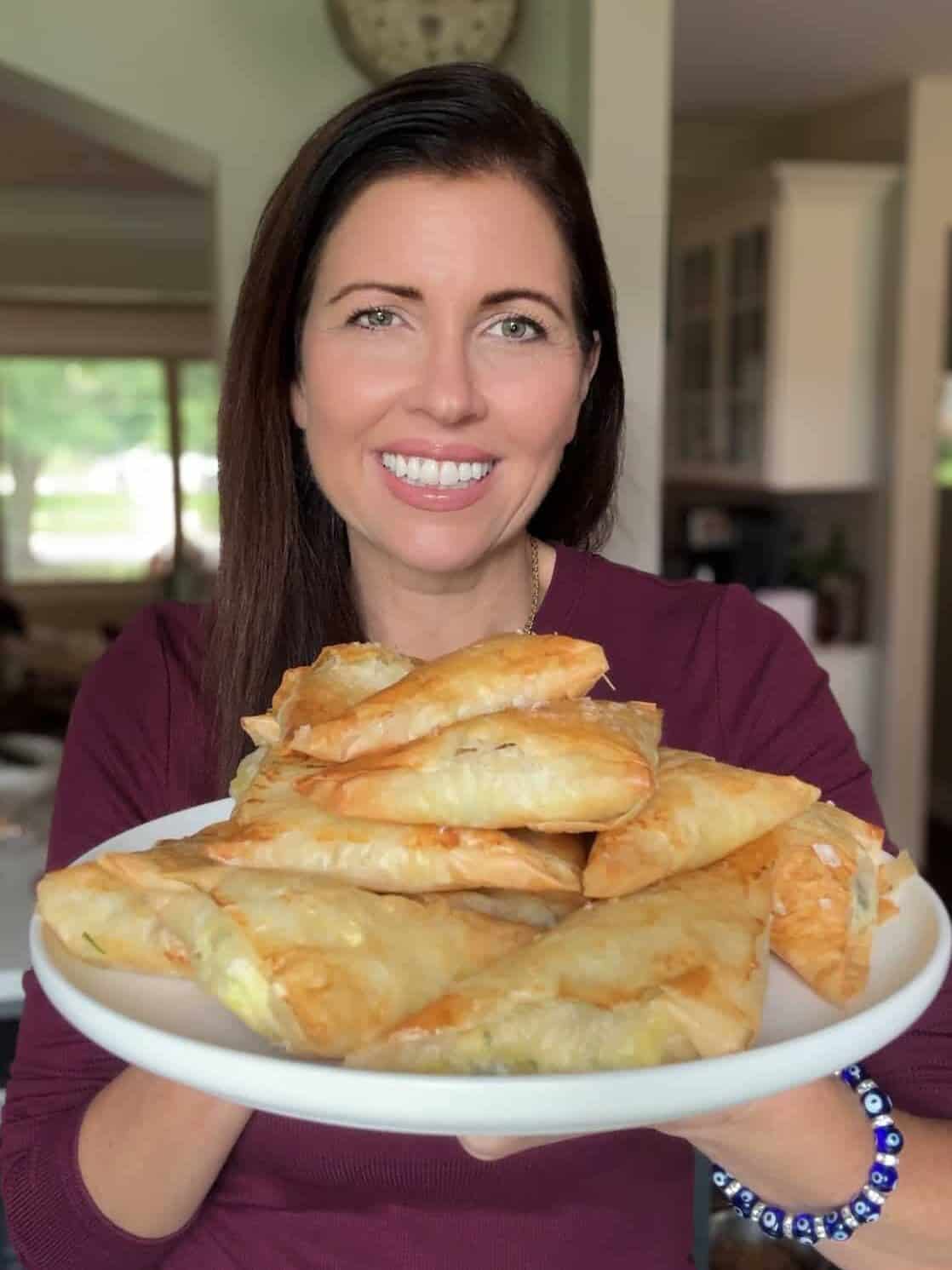
Recipes You Should Try!
Looking for other recipes like this? Try these:

Recipes To Pair with Cheese Boreg
These are my favorite dishes to serve with Cheese Boreg:

Cheese Boreg Triangles
Equipment
- Food processor
- Pastry brush
- baking sheet
Ingredients
- 1 box phyllo dough 2 packages, thawed in the fridge overnight, cut in half
- 2 sticks butter melted 1 stick at a time
- 30 oz cheese about 2 lbs total: half Syrian cheese, half Ackawi cheese, shredded
- ½ sweet onion finely diced
- ½ bunch parsley finely chopped
- ½ teaspoon black pepper
- Aleppo pepper to taste (optional)
- 3 large eggs divided
- Sea salt flakes for topping
Instructions
- Shred the cheese using a food processor and place in a large bowl.
- Add the diced onion, chopped parsley, black pepper, Aleppo pepper (if using), and 2 of the eggs to the cheese. Mix until fully combined.
- Lay one half-sheet of phyllo dough on your work surface and brush lightly with melted butter. Top with a second half-sheet and brush lightly with butter again.
- Place 1½ to 2 tablespoons of the cheese filling near the top of the phyllo strip.
- Fold into a triangle shape, continuing to fold flag-style down the length of the strip.
- Brush the final flap with butter and press to seal.
- Repeat with remaining phyllo and filling, arranging triangles on a baking sheet, spaced apart.
- Whisk the remaining egg with a splash of water and brush lightly over each triangle.
- Sprinkle very lightly with sea salt flakes.
- Bake at 375°F for 15–17 minutes, until golden and puffed.
Notes
- For smaller triangles, cut phyllo sheets into thirds and use about 1½ tablespoons of filling per triangle instead of 2 to 3.
- To freeze, arrange triangles flat on a tray until solid, then transfer to a freezer bag or container. Keeps for 2–3 months. Reheat from frozen (adding a few extra minutes) or thaw in the fridge first.
Comments
No Comments