

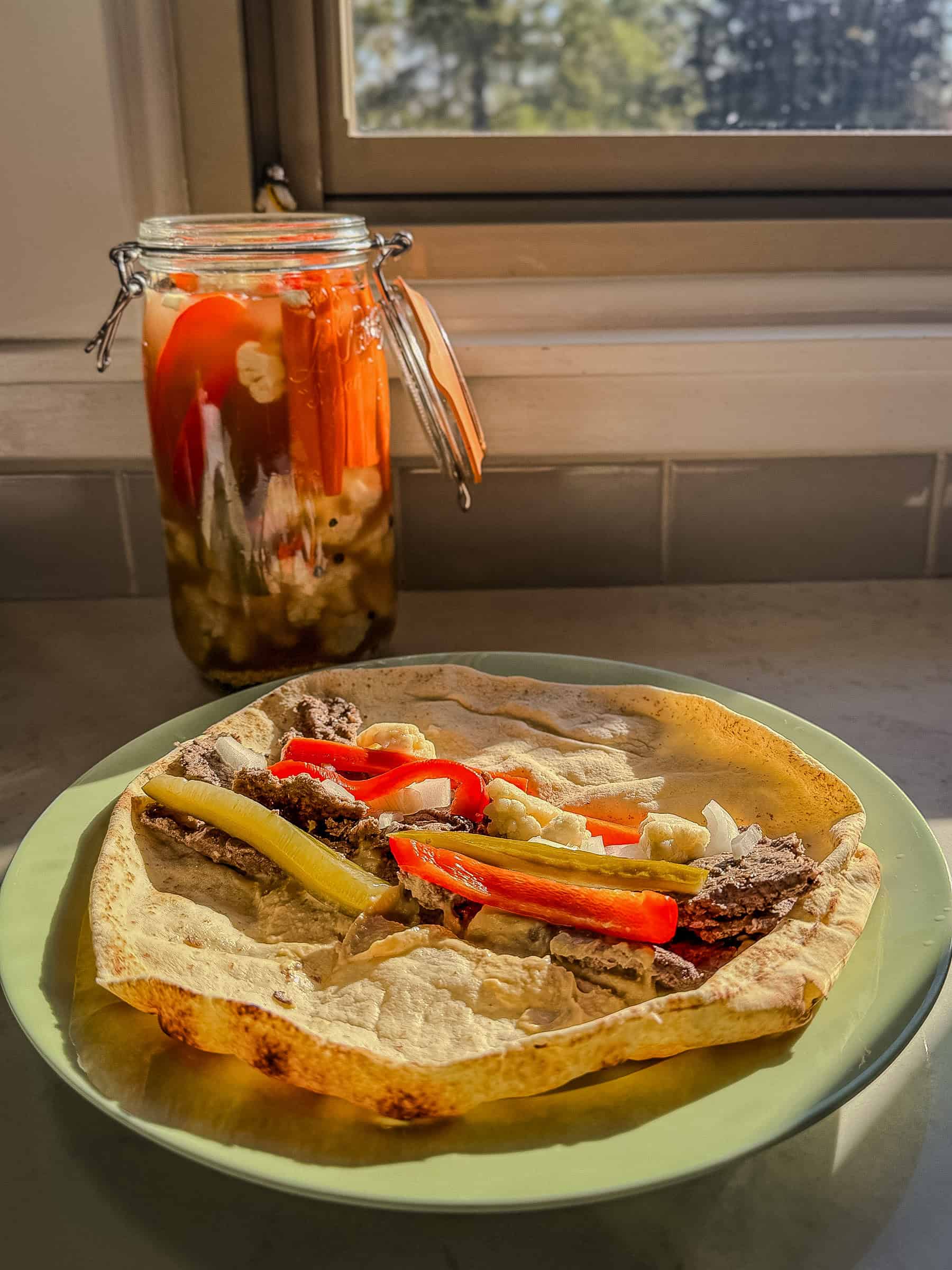
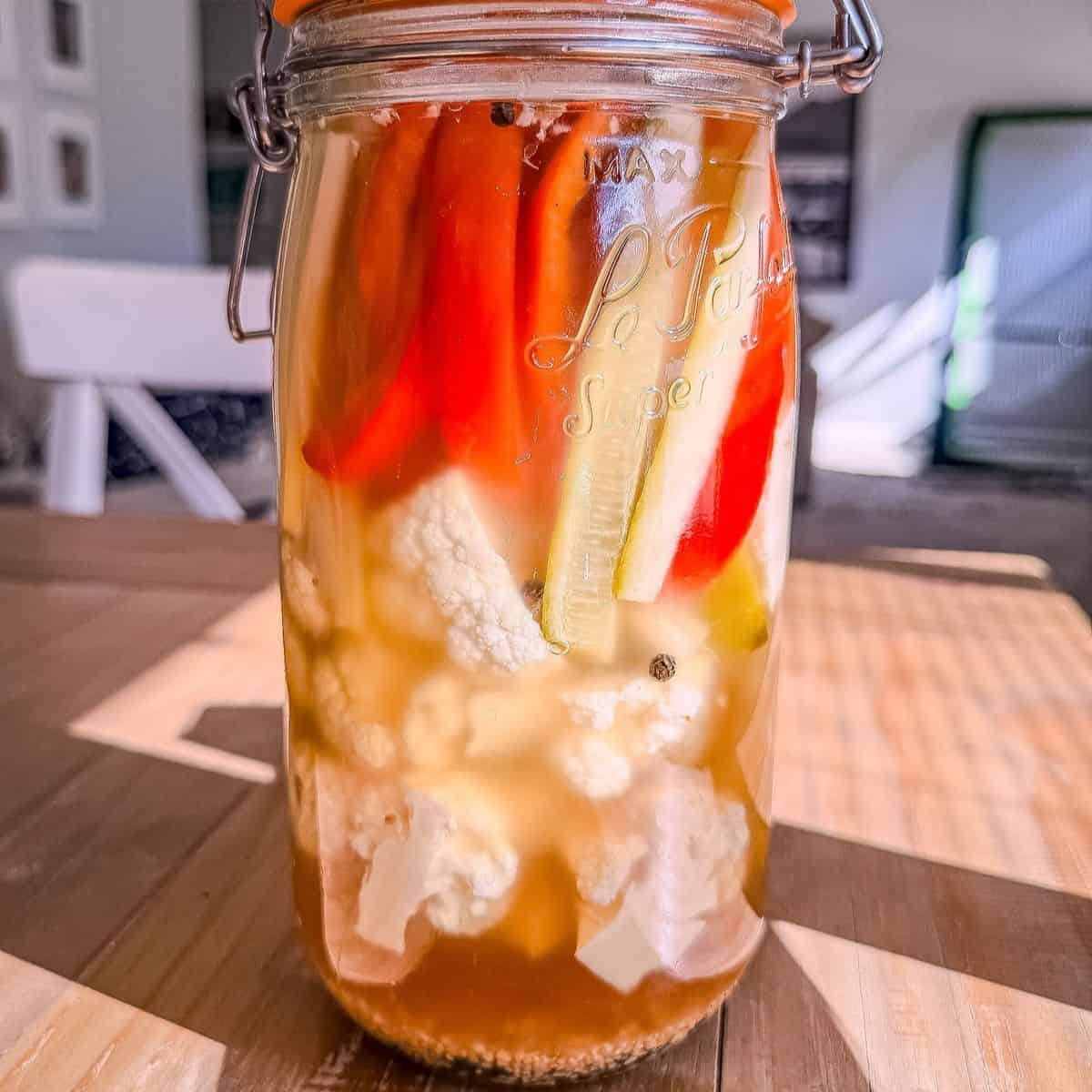
Tourshi is a jar of crunchy, tangy Armenian pickled vegetables made with cauliflower, carrots, celery, cucumbers, red pepper, and garlic in a simple salt and vinegar brine. It sits on the counter for about a week to get perfectly sour, then goes in the fridge, ready to brighten up every meal.
The Armenian Tourshi That Reminds Me of My Grandfather
My grandfather loved tourshi. Tourshi and basturma were his two favorite things, and honestly, they were the way to his heart. If there was a jar of tourshi on the table, he was happy.
Every time I make a batch, I think of him. This recipe is simple, a little salty, a little sour, and full of crunch, just the way he liked it.
What Is Tourshi?
Tourshi is the word for pickled vegetables across much of the region. It comes from the Persian word torsh, which means sour. You’ll hear it called turşu in Turkish and torshi in Persian, and Armenians also have their own word, ttu (թթու), which means sour too. In English, you’ll see it spelled both tourshi and torshi.
In an Armenian kitchen, tourshi is on the table with almost every meal. Its bright, salty tang cuts right through rich dishes like kebabs, pilaf, and stews. It started as a way to preserve the fall harvest for the long winter, and it’s still one of the easiest ways to make a few dollars of vegetables last for weeks.
More Armenian Recipes to Try Next
- Muhammara: A smoky roasted red pepper and walnut dip for your mezze platter.
- Hummus Quesadilla with Lavash and Armenian String Cheese: A crispy 10-minute lunch.
- Tutmaj Soup: My grandmother’s Armenian yogurt soup.
Jump to:
- The Armenian Tourshi That Reminds Me of My Grandfather
- What Is Tourshi?
- More Armenian Recipes to Try Next
- Tourshi vs. Pickled Vegetables: What’s the Difference?
- Why You’ll Love This Easy Pickled Vegetables Recipe
- Tourshi Ingredients for Armenian Pickled Vegetables
- How to Make Tourshi (Armenian Pickled Vegetables)
- Is Cloudy Tourshi Brine Normal?
- Are Homemade Pickled Vegetables Safe?
- Tourshi Substitutions and Variations
- What to Serve with Tourshi
- Pickled Vegetables for Charcuterie Boards
- Equipment
- How Long Do Pickled Vegetables Last?
- Top Tip for Crunchy Tourshi
- Tourshi FAQ
- Levantine Recipes
- Try Something New!
Tourshi vs. Pickled Vegetables: What’s the Difference?
Tourshi is pickled vegetables, made the way families across the region have made them for generations. Here’s what sets it apart from a typical jar of American pickles.
- Mixed vegetables. It’s a jar of whatever the garden gave you, not just cucumbers.
- Sour, not sweet. A salty, tangy brine with no sugar.
- Garlic for big flavor, instead of dill and pickling spice.
- Made to eat with meals. It’s served alongside nearly everything, especially rich dishes.
Our family’s version has no beets. Many tourshi recipes add a beet for a bright pink color, but we keep our vegetables their natural colors, which turn a soft golden shade as they pickle. We also skip the hot peppers, since my family doesn’t love the heat.
Why You’ll Love This Easy Pickled Vegetables Recipe
- Beginner friendly. If you’ve never pickled anything, this easy recipe for pickled vegetables is a great place to start.
- Budget friendly. A few dollars of vegetables makes a big jar that lasts for weeks.
- No special equipment. Just a large glass jar.
- Naturally sugar free and full of crunchy vegetables.
Tourshi Ingredients for Armenian Pickled Vegetables
Every family’s tourshi is a little different, so use what you love.
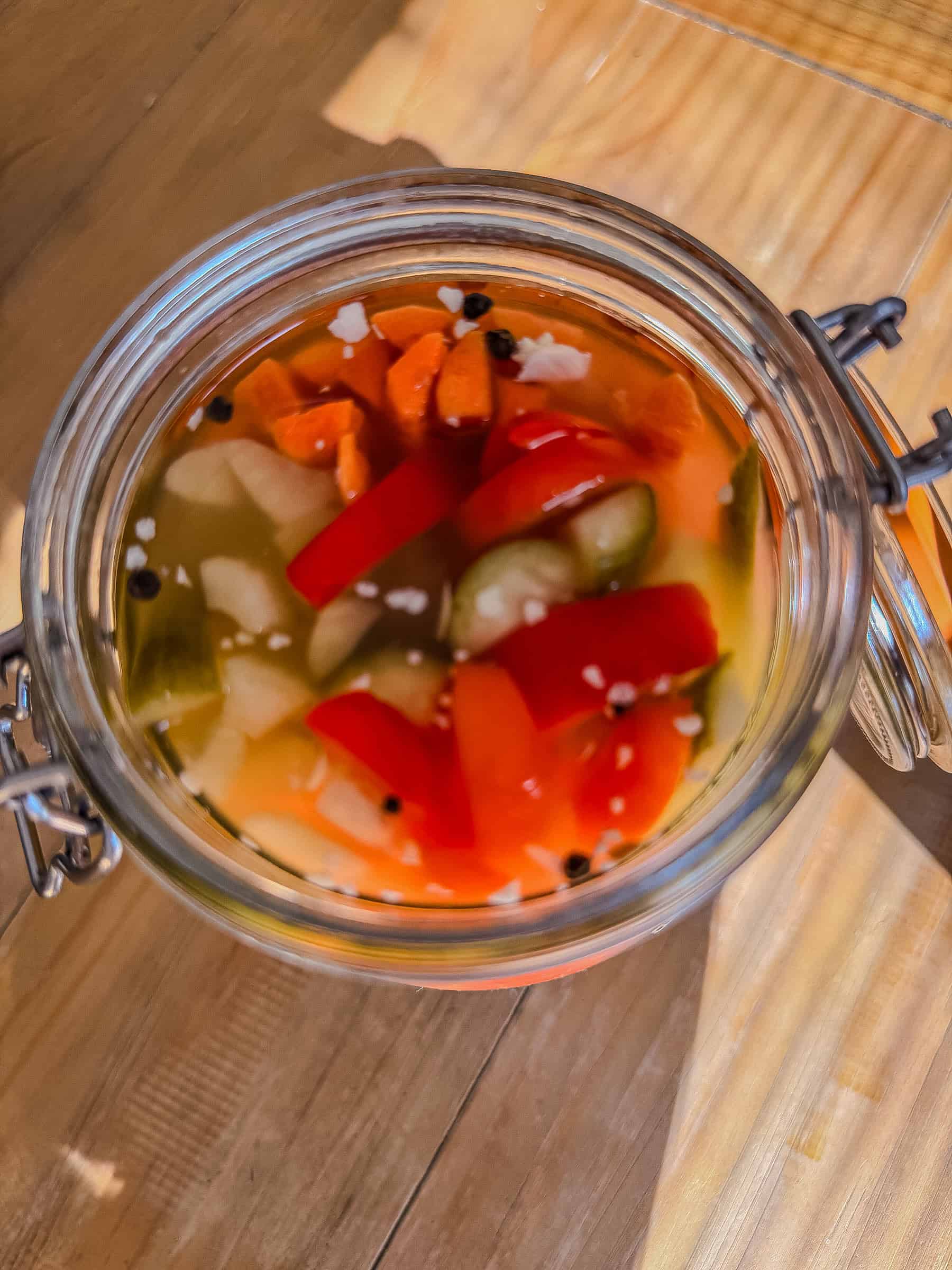
- Cauliflower: Cut into small florets. It soaks up the brine and stays crunchy.
- Carrots: Cut into sticks for color and a little sweetness.
- Celery: Cut into sticks. Fresh, crisp, and savory.
- Cucumbers: Add a classic pickle crunch.
- Red bell pepper: Adds color and mild sweetness.
- Garlic: Minced, for big flavor.
- Bay leaves and black peppercorns: For a warm, savory brine.
- Water, white vinegar, and pickling salt: The simple brine. Use pickling salt or kosher salt without iodine, which can cloud the brine and change the flavor.
See recipe card for quantities.
How to Make Tourshi (Armenian Pickled Vegetables)
Making tourshi is mostly waiting. Here’s how it comes together in four easy steps. The full recipe is in the card below.
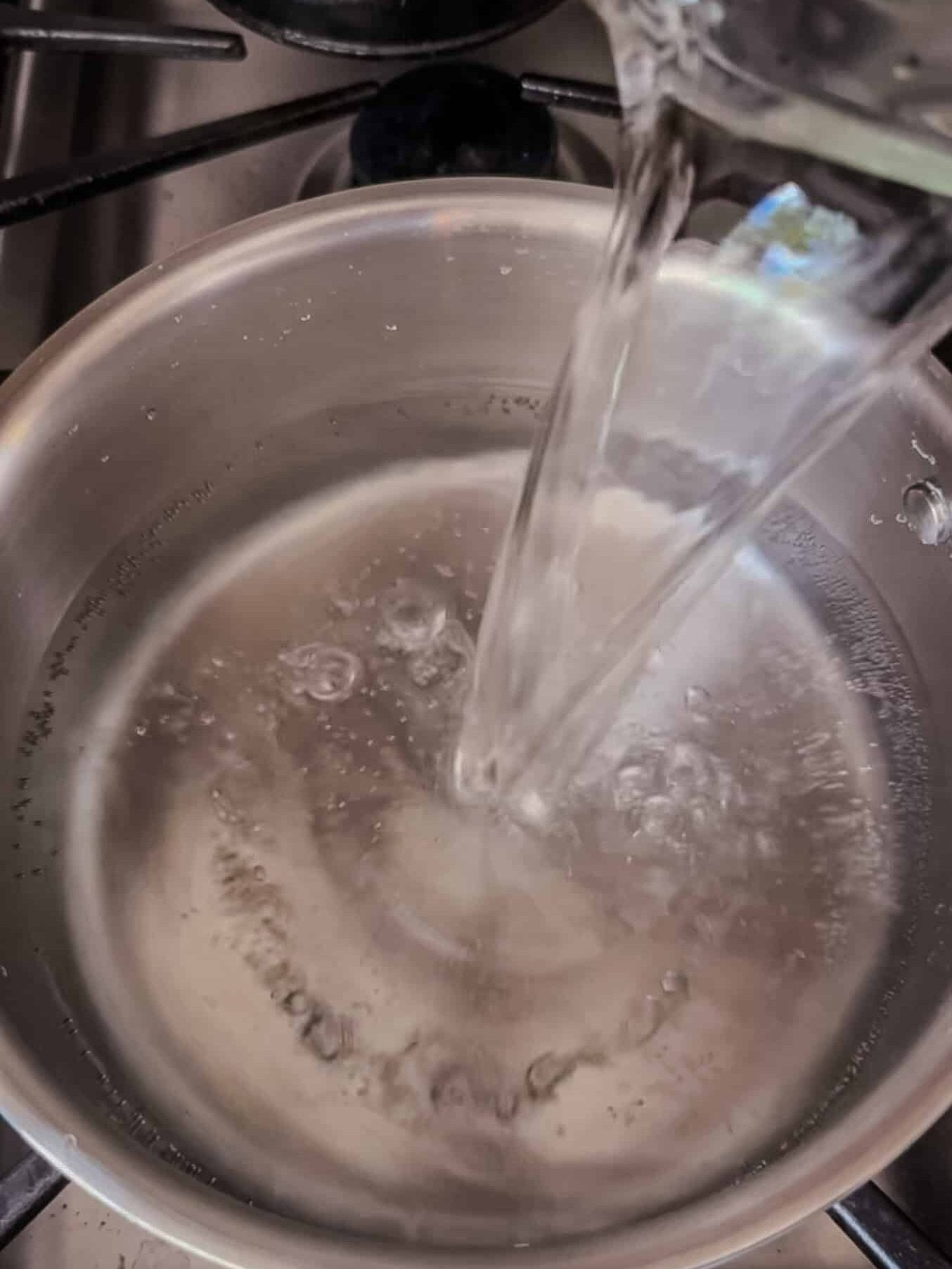
- Step 1: Make the brine. Dissolve the pickling salt in water on the stove, let it cool, then stir in the vinegar.
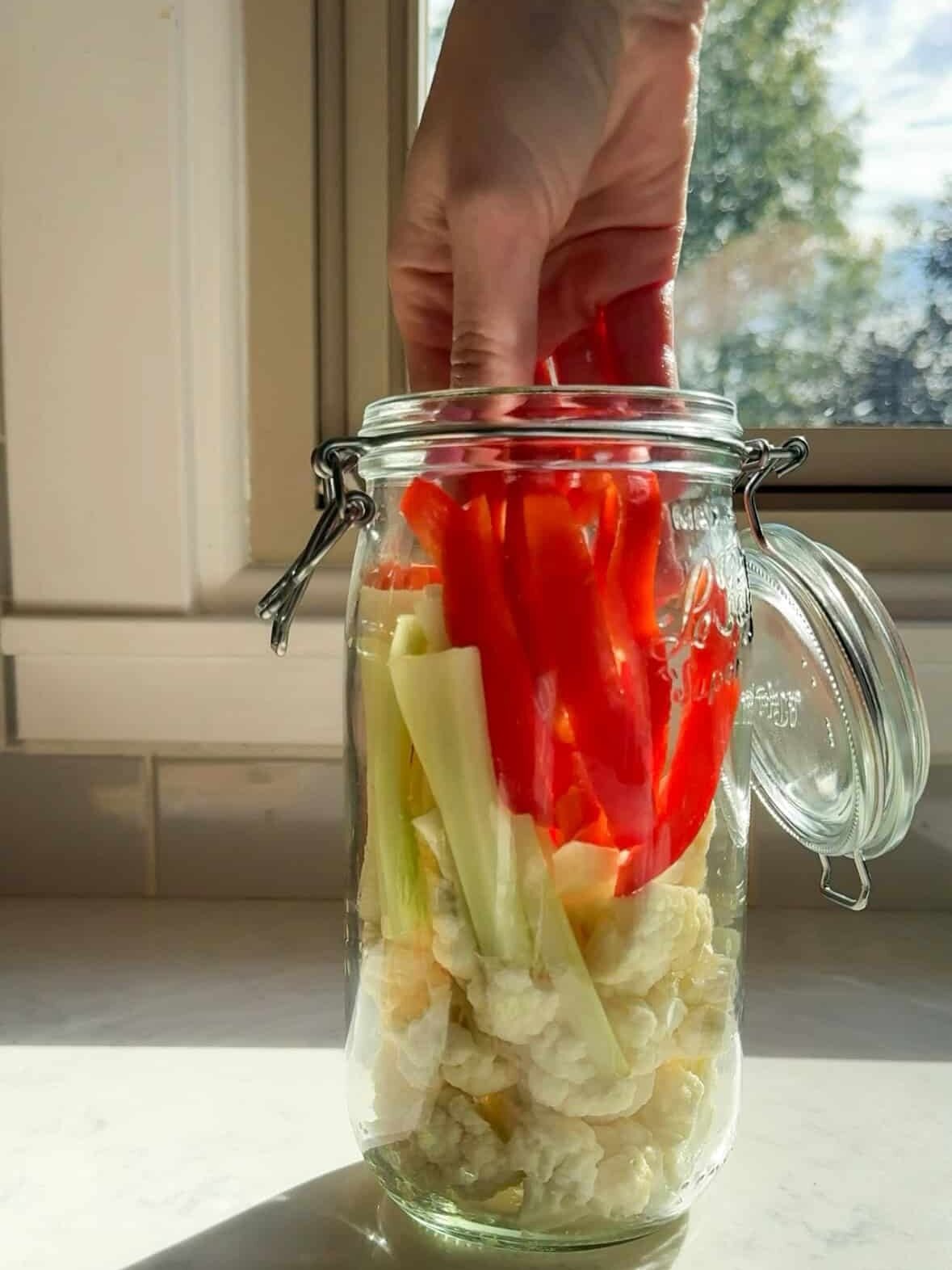
- Step 2: Pack the jar. Pack the vegetables tightly into a clean jar with the garlic, bay leaves, and peppercorns.
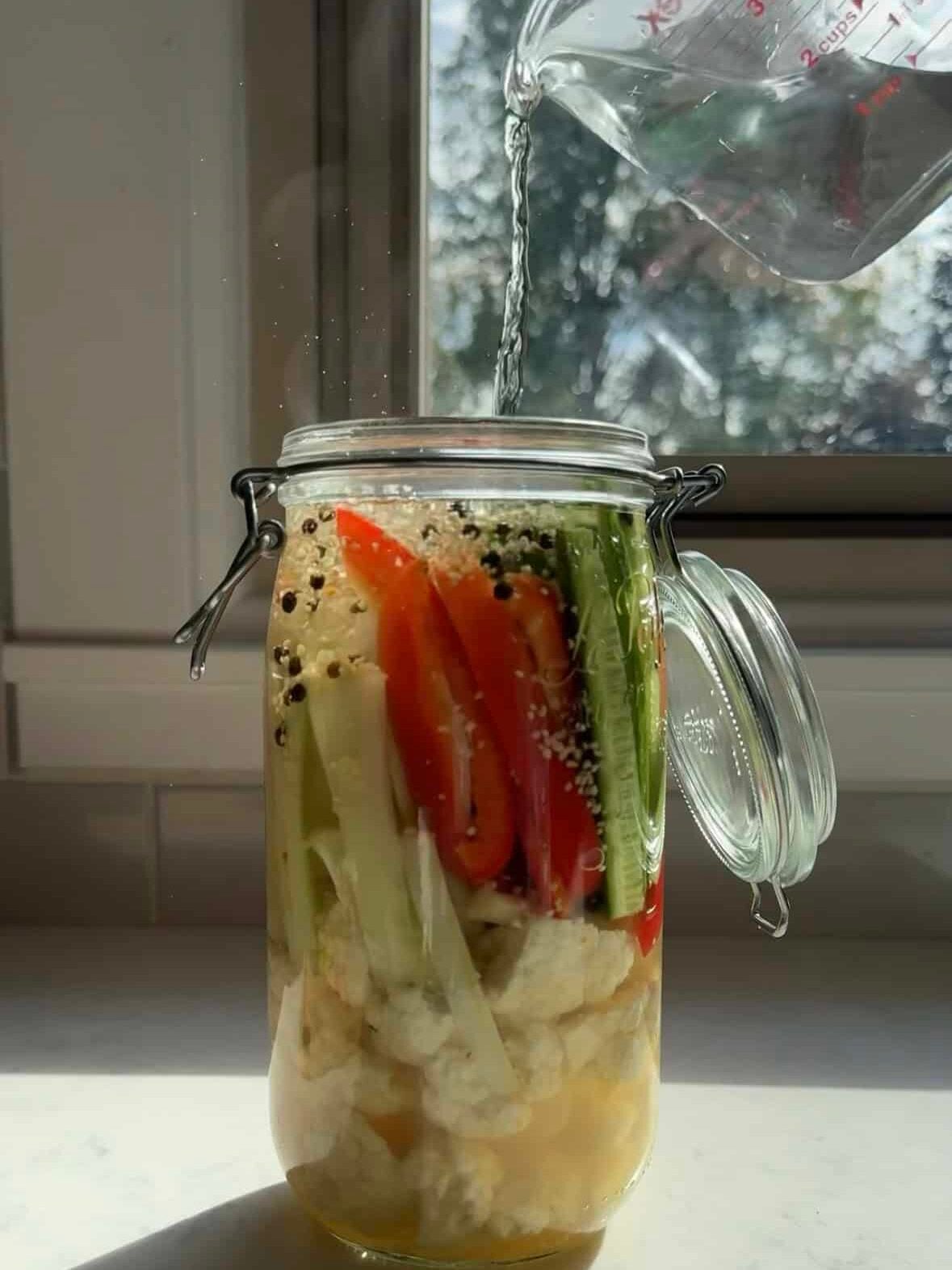
- Step 3: Cover with brine. Pour the brine over the vegetables and give everything a gentle mix.
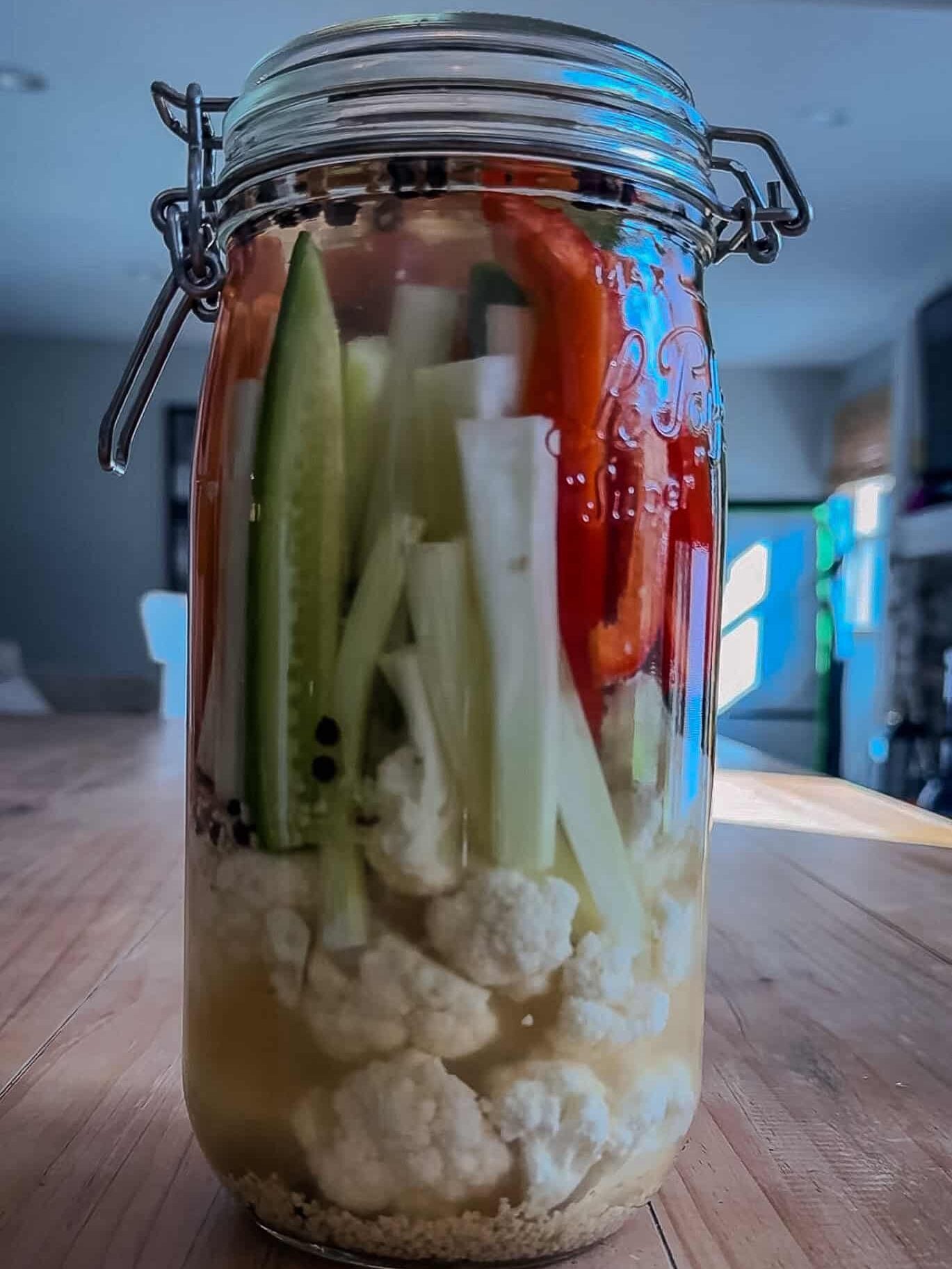
- Step 4: Let it pickle. Leave it on the counter, out of direct sunlight, for about 5 days, pushing the vegetables back under the brine every couple of days. Then move it to the fridge.
Is Cloudy Tourshi Brine Normal?
Yes! Don’t panic if your brine turns cloudy. That usually means it’s working. As the vegetables pickle, natural activity and starches from the vegetables and garlic cloud the brine. Many traditional tourshi jars look exactly like that.
Here’s what’s normal and what’s not.
Normal: - Cloudy brine - Small bubbles - A sour, tangy smell - Garlic turning blue or green, which is harmless - A thin, flat white film on top, which is usually harmless yeast you can skim off
Throw it out if you see: - Fuzzy mold in any color - Slimy or mushy vegetables - A rotten smell instead of a sour, pickley one
Are Homemade Pickled Vegetables Safe?
When you follow a few simple basics, this is a very beginner-friendly way to pickle at home. The salt and vinegar make the brine acidic from day one, and harmful bacteria don’t thrive in acid.
- Use a clean jar.
- Keep the vegetables under the brine.
- Keep it out of direct sunlight while it pickles.
- Move it to the fridge once it tastes right.
- Don’t seal it up and store it on a shelf like canned goods.
Tourshi Substitutions and Variations
- Add heat: Tuck in a couple of whole, slit jalapeños or serrano peppers.
- Add cabbage or green beans: Both are classic in many Armenian families’ tourshi.
- Add green tomatoes: Another traditional favorite.
- Salt-only tourshi: Some families make tourshi with just salt and water and let it ferment naturally, which creates live cultures. It takes a little longer, usually 1 to 2 weeks. Our version adds vinegar for a quicker, more foolproof pickle that’s just as tangy.
- Add herbs: A few sprigs of parsley or dill.
What to Serve with Tourshi
- On a charcuterie board or mezze platter with cheese, olives, and crackers
- Tucked into a chicken shawarma sandwich. This is my new favorite way to eat it!
- Kebabs and grilled meats
- Armenian rice pilaf
- Muhammara and warm pita on a mezze platter
- Basturma, just like my grandfather loved
- Hearty stews and soups
Pickled Vegetables for Charcuterie Boards
Tourshi makes some of the best pickled vegetables for charcuterie. The bright, sour crunch balances rich cheeses and cured meats, and the colorful mix of cauliflower, carrots, cucumbers, and red pepper looks beautiful on a board. Drain the vegetables well, pile them in a small bowl or along the edge of the board, and add a few pieces of basturma for an Armenian twist.
Equipment
Equipment can have a big impact on how a recipe turns out. Stone bakeware takes longer to heat up than metal pans, and also retain heat for longer, which could make the recipe more watery, or burnt on the outsides.
Tell your visitors what equipment you use and how to adjust the recipe if they use something different, and link to your affiliate link to purchase the equipment.
How Long Do Pickled Vegetables Last?
Once your tourshi tastes the way you like it, store it in the fridge with the vegetables still covered in brine. It keeps for several weeks. The cold slows the pickling way down, so it stays crunchy and tangy. Cucumbers soften faster than the other vegetables, so enjoy those first.
Top Tip for Crunchy Tourshi
Check the jar every couple of days and push any floating vegetables back down under the brine. Vegetables that stay submerged stay crisp and safe, and it only takes a few seconds.
Tourshi FAQ
About 5 days on the counter. Start tasting around day 5 and move it to the fridge when it’s as tangy as you like.
Cloudy brine is normal and usually means the pickling is working. Only worry if you see fuzzy mold, slimy vegetables, or a rotten smell.
No. Beets add a pink color and hot peppers add heat, but our family’s tourshi uses neither.
Salt-only tourshi that ferments naturally has live cultures. This version uses vinegar, so think of it as a quick, tangy pickle rather than a probiotic food.
Cauliflower, carrots, celery, cucumbers, peppers, cabbage, green tomatoes, and green beans all work well.
Levantine Recipes
Looking for other recipes like this? Try these:




Try Something New!
These are a few of my favorite side dishes:
Tourshi (Armenian Pickled Vegetables)
Equipment
- Half-gallon glass jar with a lid
- Small saucepan
- A small plate to help keep the vegetables submerged
Ingredients
Vegetables
- ½ head cauliflower cut into small florets
- 2 to 3 carrots peeled and cut into sticks
- 2 celery stalks cut into sticks
- 2 small cucumbers cut into spears or thick slices
- 1 red bell pepper cut into strips
- 4 tablespoons minced garlic
- 2 bay leaves
- 1 teaspoon black peppercorns
Brine
- 4 cups water
- 1 cup white vinegar 5% acidity
- 3 tablespoons pickling salt
Instructions
- Wash a half-gallon glass jar and lid in hot soapy water and rinse well.
- In a saucepan on the stove, warm the water and stir in the pickling salt until fully dissolved. Let it cool to room temperature, then stir in the vinegar.
- Pack the cauliflower, carrots, celery, cucumbers, and red pepper tightly into the jar, adding the garlic, bay leaves, and peppercorns as you go.
- Pour the cooled brine over the vegetables until they’re covered, then give everything a gentle mix.
- Close the lid loosely, or close it tightly and open it once a day to release pressure. Keep the jar at room temperature, out of direct sunlight.
- Every couple of days, check the jar and push any floating vegetables back under the brine.
- After about 5 days, when it’s as tangy as you like, move the jar to the fridge.


Comments
No Comments