

If there’s one dressing that has made more appearances at my family’s holiday tables than any other, it’s this fattoush salad dressing. It’s bright, lemony, full of fresh mint and sumac, and somehow fits every season, Easter, Christmas, Thanksgiving, and all the gatherings in between. It’s the kind of recipe that turns a simple bowl of lettuce and vegetables into something lively and unforgettable. And unlike many of the dishes I grew up making, this one wasn’t handed down to me. This is the recipe I created, my own take on a classic Middle Eastern favorite., and it has truly become part of the heartbeat of my home.
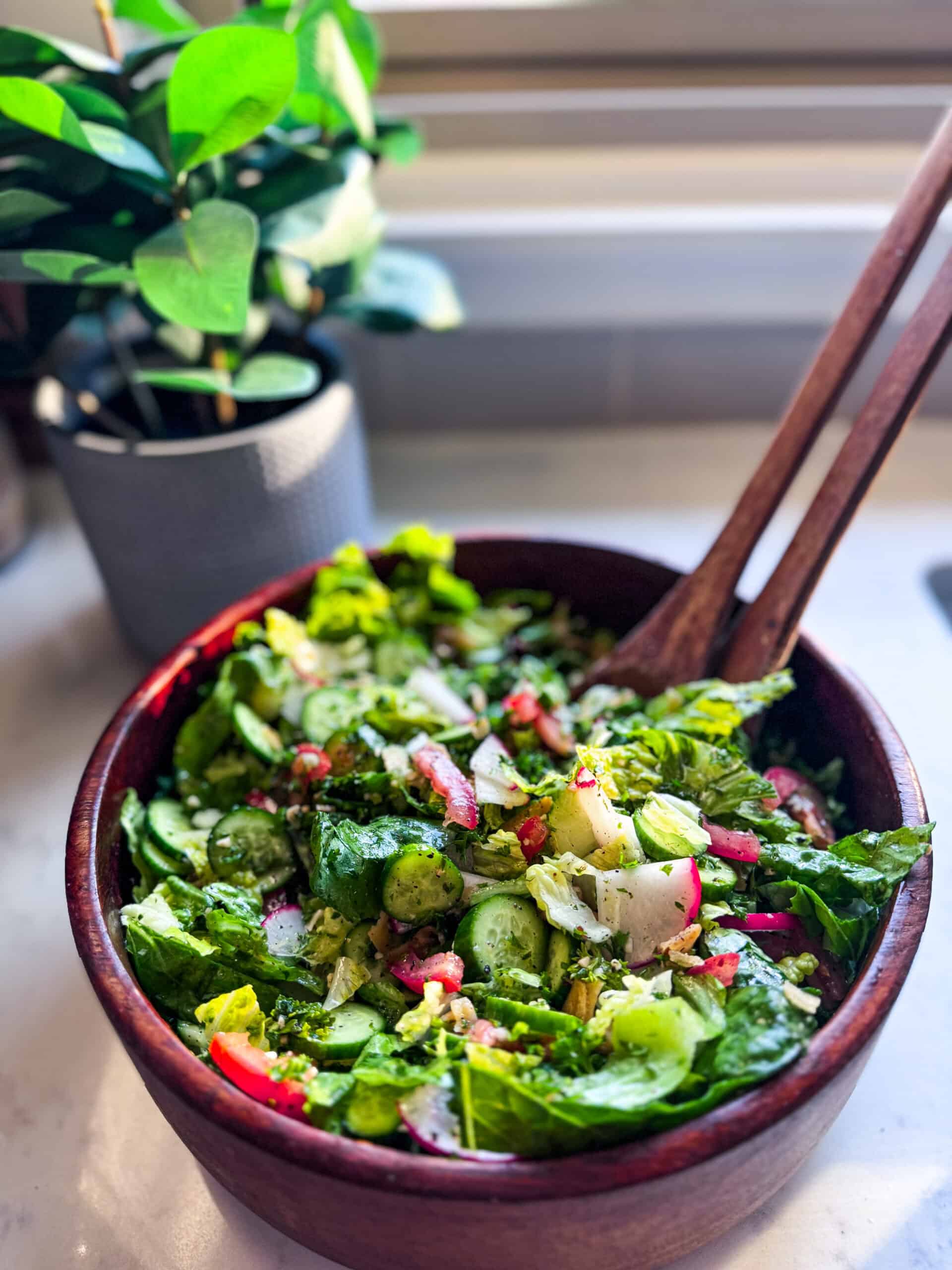
Background: How This Easy Fattoush Dressing Came to Be
In Armenian households like mine, so many recipes come from the generations before us. My manti, rice pilaf, spinach pie, those were all dishes shaped by my mother, grandmother, and the long line of cooks who came before them. But this fattoush-style salad dressing? This was my moment to add something of my own to the family table. I still remember the first time I brought it to a holiday gathering. Instead of being “Grandma’s recipe,” this was Lindsay’s recipe.
Fattoush has been one of my favorite salads for as long as I can remember, bright, crunchy, and full of fresh herbs. But unlike so many of the dishes on this blog, this dressing wasn't handed down to me. There was no family version I grew up eating, no grandmother's recipe card tucked away for it. So when I wanted to make it at home, I built my own version using what I already had in my pantry.
That's really the story of this recipe. I love the traditional fattoush dressing made with pomegranate molasses, and I make that version too (you can find my Authentic Lebanese Fattoush Salad here if that's what you're after). But pomegranate molasses isn't always easy to find, and some nights you just want something bright and lemony without a special trip to a Middle Eastern grocery store. This version leans on lemon juice, a touch of sugar, and pantry staples instead, so you can make it with ingredients you probably already have on hand.
I still remember the first time I brought this dressing to a holiday gathering. It disappeared fast, and it's been part of our table ever since. It's simple, it's mine, and it's the version I reach for on a busy weeknight when I want that fattoush flavor without an extra grocery run.This recipe was inspired by my other Armenian inspired dishes, and pairs beautifully with my Loaf Pan Chicken Shawarma and my classic Rice Pilaf.
Copycat Olga's Kitchen snackers are one of my favorite things to serve alongside this salad — they scoop up the dressing beautifully. Here's my copycat Olga's Snackers recipe if you want the full spread.
Jump to:
- Background: How This Easy Fattoush Dressing Came to Be
- Ingredients for this Simple Salad
- Ingredients (Dressing)
- Ingredients for the Salad Base
- 4 Summarized Steps for Easy Fattoush Style Salad Dressing
- What Is Fattoush Salad? (Fattoush Salad Ingredients + Origin)
- Fattoush Salad with Chicken or Shawarma (Protein Ideas + Meal Prep)
- Substitutions (Simple Ingredient Swaps)
- Variations (Spring Fattoush Salad, Pomegranate, Low Carb & More)
- Equipment Needed for Homemade Fattoush Salad Dressing
- Storage Tips for Fattoush Dressing
- Top Tip
- FAQs: Fattoush Salad Dressing, Calories, Healthy Swaps + More
- Favorite Salads
- What to Make with Your Favorite Salad
Ingredients for this Simple Salad
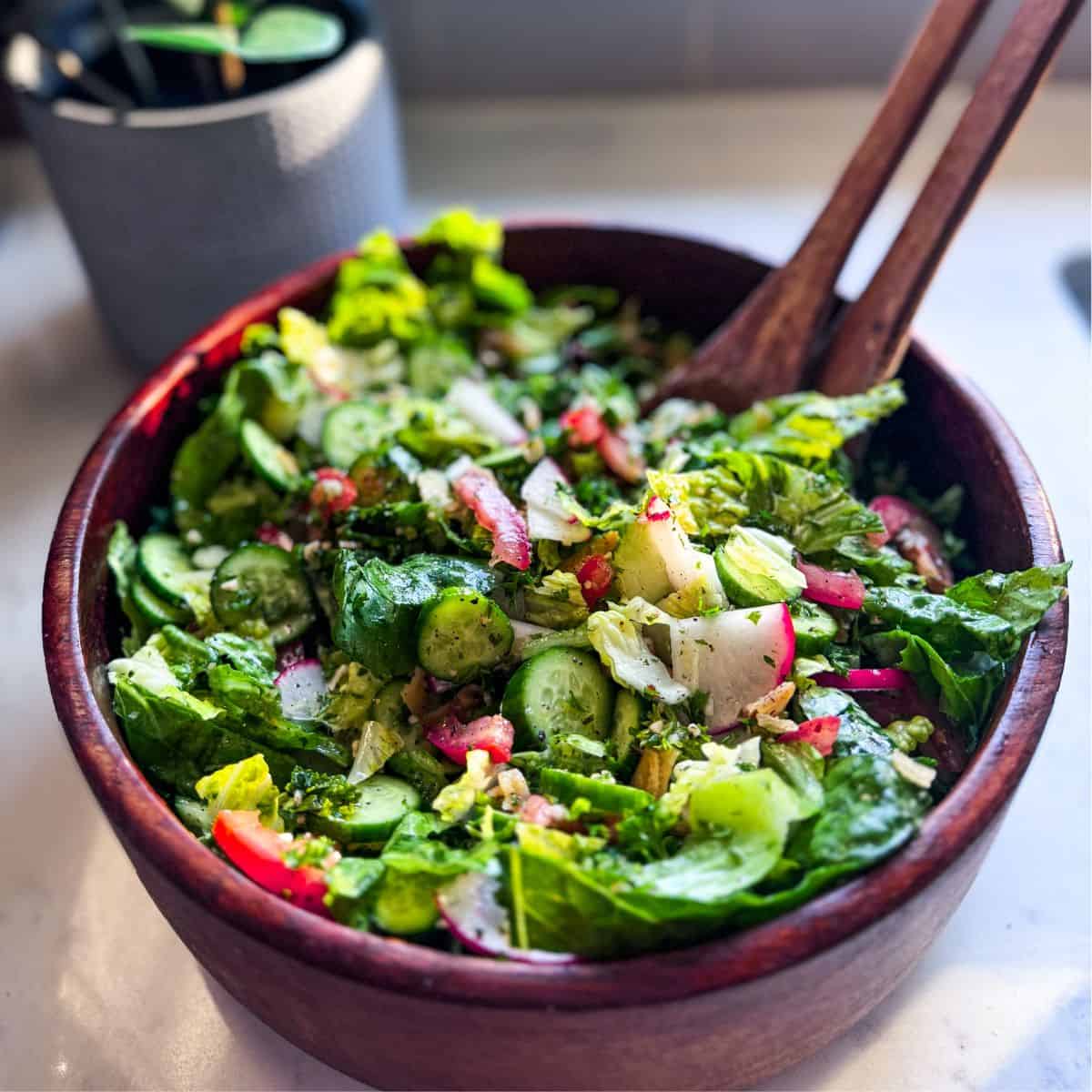
This dressing comes together with simple, fresh ingredients. You’ll shake or blend everything until it's bright, balanced, and beautifully emulsified. The salad itself uses classic fattoush salad ingredients—crisp lettuce, cucumbers, parsley, tomatoes, radishes, and crushed toasted pita chips added right before serving so they stay crunchy.
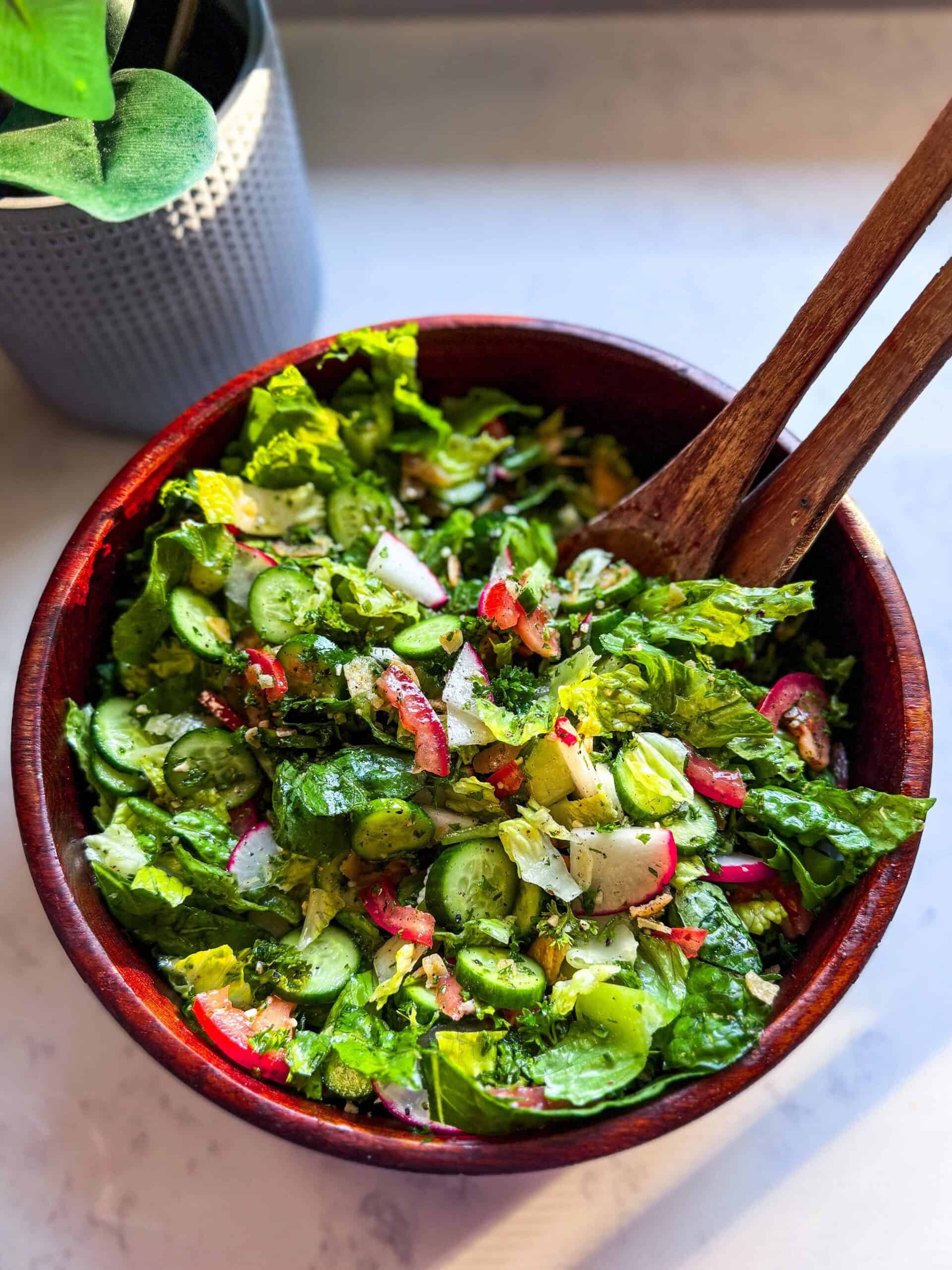
Ingredients (Dressing)
- Lemon juice
- Olive oil
- White vinegar
- Fresh mint
- Minced garlic
- Sugar
- Salt
- Black pepper
- Sumac
Ingredients for the Salad Base
- Chopped lettuce
- Cucumbers (Persian if available)
- Roma tomato
- Fresh parsley
- Thinly sliced radishes
- Crushed toasted pita chips
- Optional add-ins: onions, peppers, or your favorite crunchy vegetables
See recipe card for quantities.
4 Summarized Steps for Easy Fattoush Style Salad Dressing
You’ll start by mixing the dressing in a mason jar or blender until emulsified. From there, chop your vegetables, toss the salad lightly, and finish with pita chips for that signature fattoush crunch. Serve immediately.
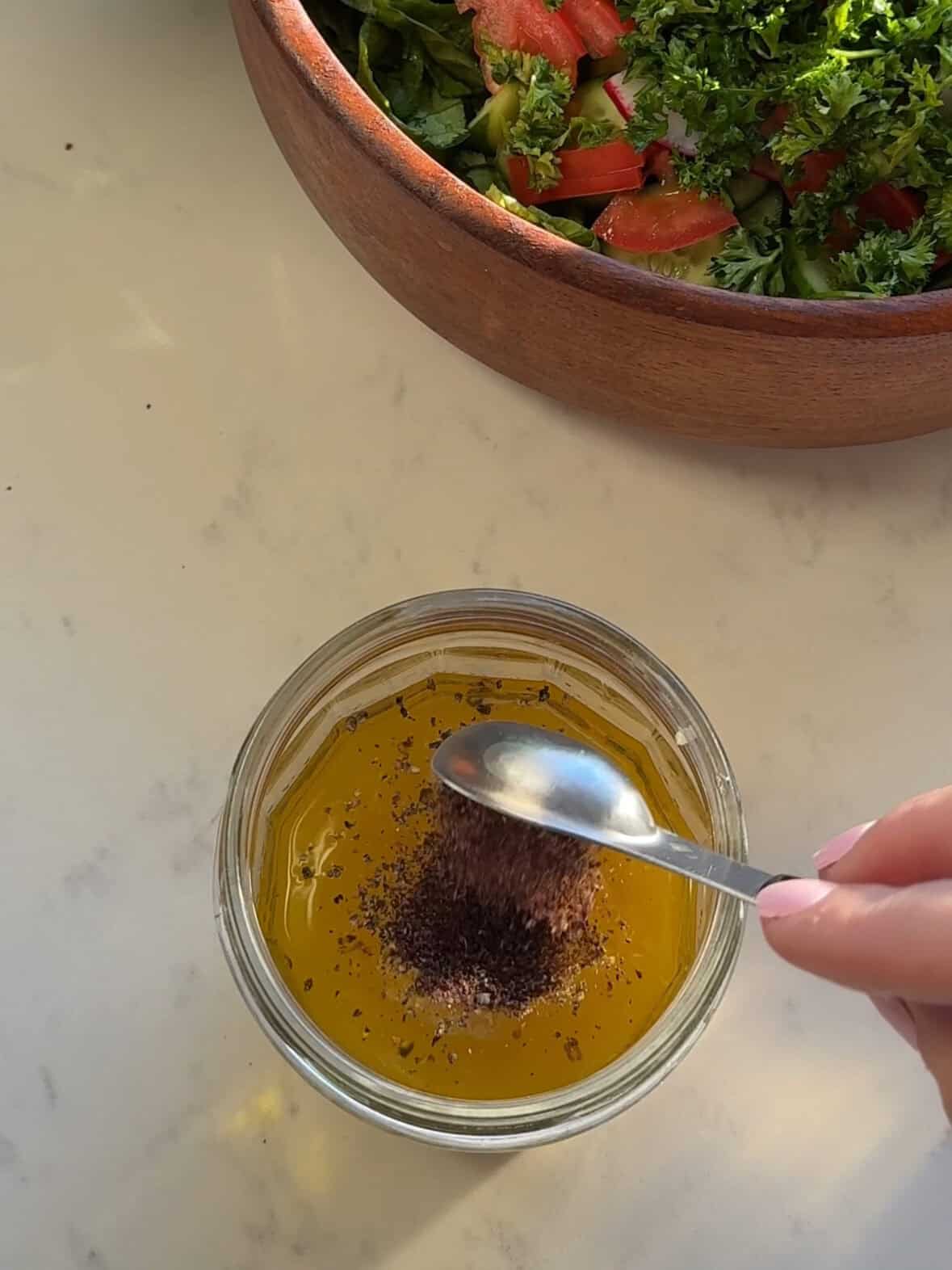
- Step 1: Mix the dressing ingredients in a mason jar or blender.
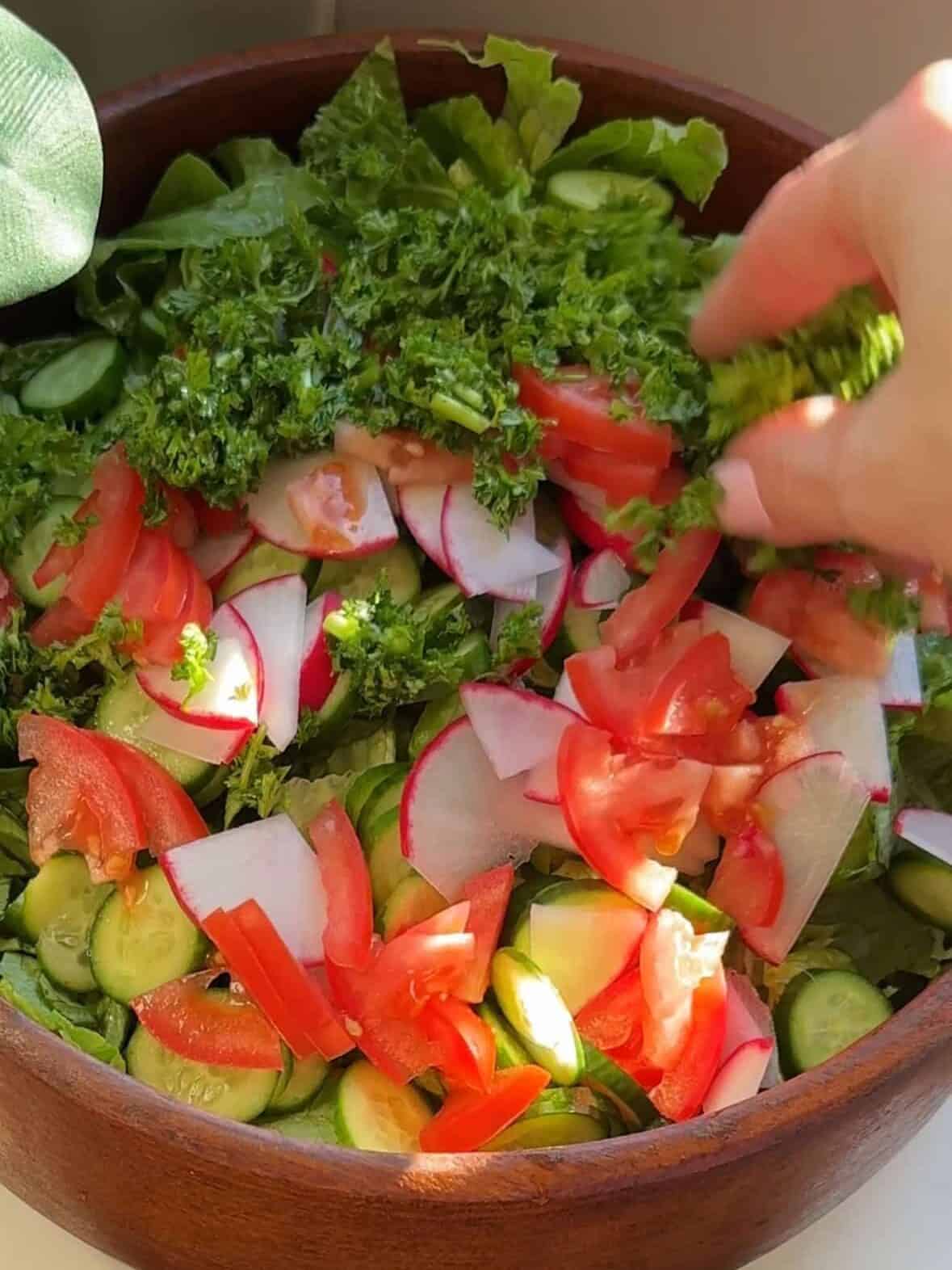
- Step 2: Prep the salad ingredients and combine in a large bowl.

- Step 3: Top with crushed toasted pita chips and a sprinkle of sumac.
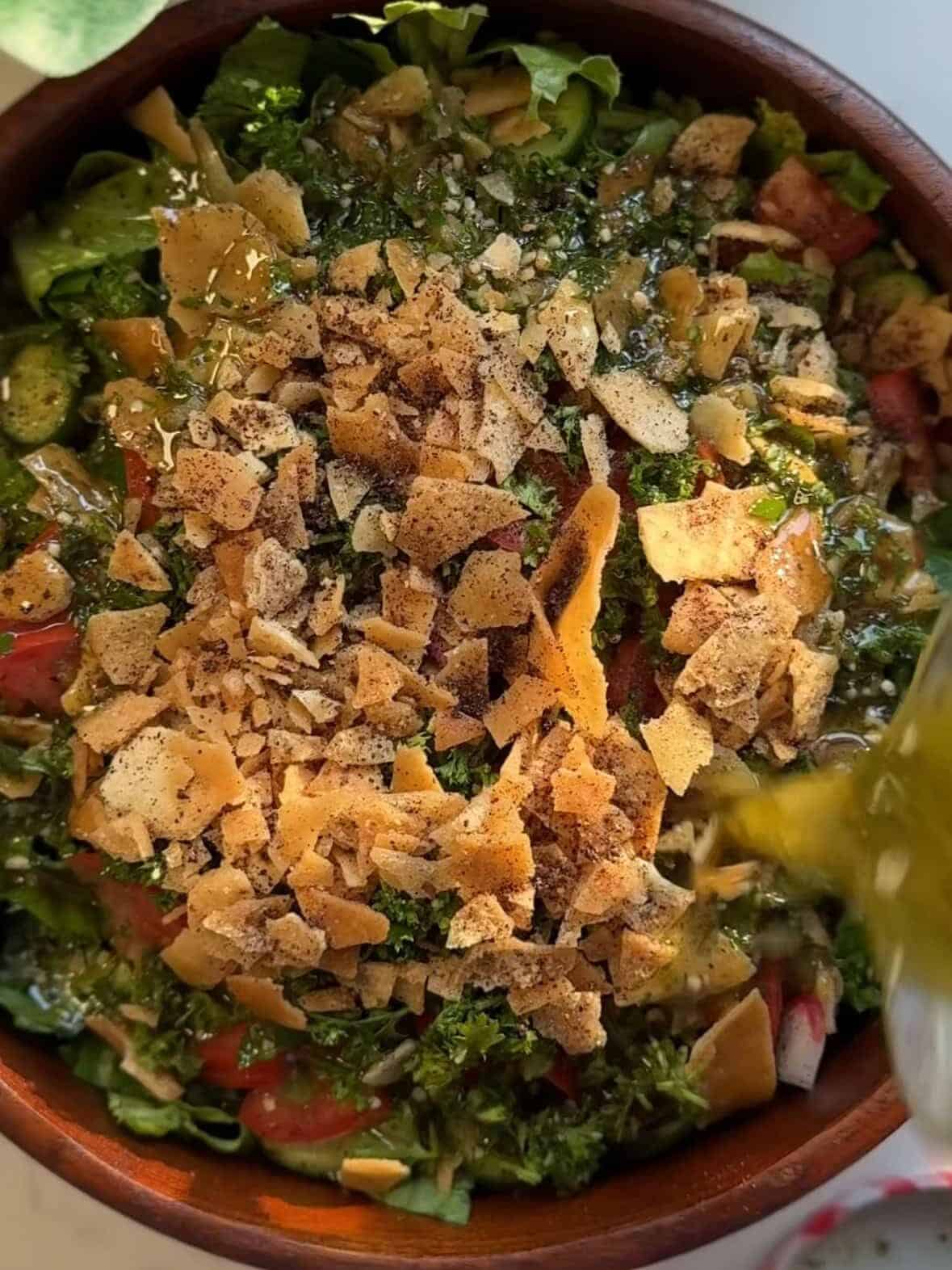
- Step 4: Dress the salad just before serving.
Hint: After dressing the salad, give it 2–5 minutes to absorb flavor — but not long enough for the pita to soften.
What Is Fattoush Salad? (Fattoush Salad Ingredients + Origin)
Fattoush is a classic Middle Eastern salad made with fresh, crunchy vegetables, herbs, toasted pita chips, and a tangy lemon-sumac dressing. While the salad is often associated with Lebanese cuisine, its flavors and variations appear throughout Armenian, Syrian, Jordanian, and Palestinian homes.
This recipe honors the vibrant, citrus-forward spirit of fattoush while keeping the ingredients simple, accessible, and easy to find — the perfect option for a spring fattoush salad, a summertime meal, or a bright addition to your holiday table.
Fattoush Salad with Chicken or Shawarma (Protein Ideas + Meal Prep)
If you’ve ever ordered fattoush from a restaurant or enjoyed it alongside shawarma, you know how well these flavors pair with protein.
Try pairing this salad with:
- Grilled chicken
- My Loaf Pan Chicken Shawarma
- Steak or lamb strips
- Chickpeas for a vegan fattoush salad
- Leftover rotisserie chicken
This turns your bowl into a full dinner and helps naturally incorporate keywords like fattoush chicken salad or fattoush shawarma.
Substitutions (Simple Ingredient Swaps)
- Dried mint for fresh mint
- Red wine vinegar for white vinegar
- Lemon zest + paprika if you don’t have sumac
- Gluten-free pita chips
- Extra cucumbers for low-carb salads
Variations (Spring Fattoush Salad, Pomegranate, Low Carb & More)
- Add honey or extra sugar for sweetness
- Increase lemon juice for a more tart dressing
- Add Aleppo pepper for gentle heat
- Sub pomegranate molasses for a deeper, traditional Middle Eastern flavor
- Add more fresh mint or cilantro for a herb-forward version
- Make it keto by skipping the pita chips and adding extra cucumbers
Equipment Needed for Homemade Fattoush Salad Dressing
- Mason jar or blender
- Cutting board
- Sharp knife
- Salad bowl
- Measuring tools
- Tongs or wooden spoon
Storage Tips for Fattoush Dressing
- Store dressing up to 5 days in the fridge
- Shake well before using
- Keep salad & dressing separate until serving
- Add pita chips right before serving
Top Tip
Always crush your toasted pita chips right before serving. It’s what gives fattoush its signature crunch.
FAQs: Fattoush Salad Dressing, Calories, Healthy Swaps + More
Yes! Fattoush is naturally rich in vegetables, herbs, and heart-healthy olive oil. For lighter calories, use less dressing and fewer pita chips.
Calories vary depending on serving size, amount of dressing, and pita chips. Typical servings range from 150–250 calories. Full nutrition is in the recipe card.
Yes — this dressing is already vegan. Add chickpeas, extra parsley, or roasted veggies for a heartier vegan fattoush.
Authentic fattoush dressing usually includes lemon, olive oil, garlic, mint, and sumac, and often pomegranate molasses for depth. This version borrows those same flavors but swaps in sugar and white vinegar instead of pomegranate molasses, so it's easier to make with ingredients you likely already have. If you want the more traditional version, my Authentic Lebanese Fattoush Salad uses pomegranate molasses and sumac the classic way.
Pomegranate molasses adds sweetness and depth. I use sugar for accessibility, but you can swap to fit your taste.
Yes, this version is designed as an easy substitute for anyone who doesn't have pomegranate molasses on hand or wants a more pantry-friendly dressing. The flavor is a little brighter and lighter than the traditional version, but it still captures that classic fattoush tang.
Favorite Salads
Looking for other unique salad recipes? Try these:

What to Make with Your Favorite Salad
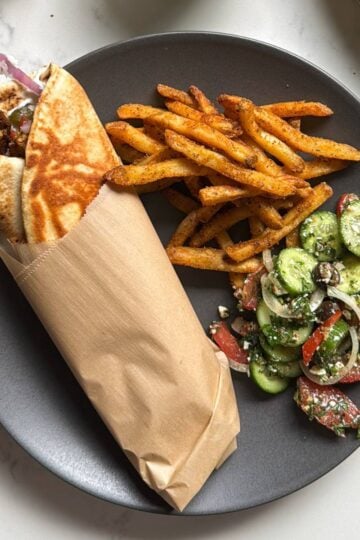
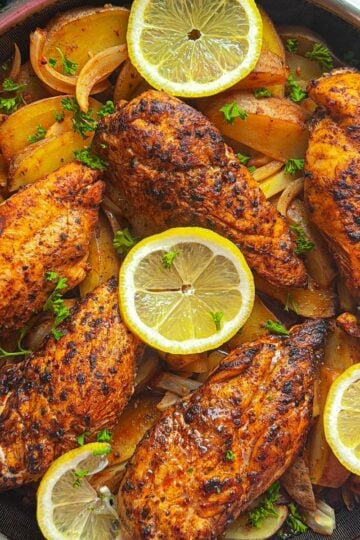
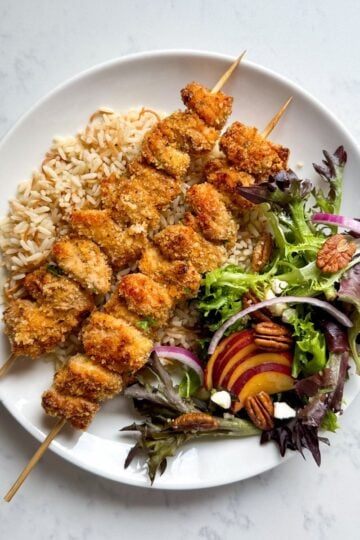
These are my favorite dishes to serve with this Fattoush Salad:

Easy Fattoush Style Salad Dressing (No Pomegranate Molasses)
Video
Equipment
- Mason jar or blender
- cutting board
- sharp knife
- Salad bowl
- Measuring tools
- Tongs or wooden spoon
Ingredients
Exact Ingredients
- 1 ½ cups fresh lemon juice
- 1 ½ cups olive oil
- 3 tablespoons white vinegar
- 2 tablespoons fresh mint
- 2 tablespoons minced garlic
- 1 tablespoon sugar
- ½ teaspoon salt
- ½ teaspoon black pepper
- 1 teaspoon sumac
Exact Ingredients Salad:
- 1 head romaine lettuce chopped
- 2-4 cucumbers diced
- 1 Roma tomato diced
- ½ bunch Parsley finely chopped
- 2 Radishes thinly sliced
- 1 cup Toasted pita chips smashed
Instructions
Mix the Dressing:
- Add the lemon juice, olive oil, vinegar, mint, garlic, sugar, salt, black pepper, and sumac to a mason jar or blender.
- If using a mason jar, tightly seal the lid and shake vigorously until the dressing is fully emulsified.
- If using a blender, blend on low speed for 10–15 seconds until smooth.
Prep the Salad Ingredients:
- Chop the lettuce, dice the cucumbers and tomato, thinly slice the radishes, and finely chop the parsley. Add all the vegetables to a large salad bowl.
Dress the Salad Table-Side:
- Pour the dressing over the salad immediately before serving. Toss gently to coat all the ingredients without crushing the vegetables.
Add the Pita Chips:
- Crush the toasted pita chips with your hands and sprinkle them over the salad. Toss lightly or simply serve as-is to maintain maximum crunch.
Finish and Serve:
- Add an extra sprinkle of sumac on top if desired. Serve right away for the freshest flavor and texture.
Notes
-
Make It Ahead:
The dressing can be made up to 5 days in advance. Shake well before using, as the ingredients naturally separate. -
Traditional vs. My Version:
Some fattoush dressings use pomegranate molasses instead of sugar, or rely more heavily on different herbs or spices. This version is my own Armenian-inspired Middle Eastern take — simple, bright, and made with ingredients found in any grocery store. Family recipes evolve from the hands that cook them, and this one is my signature version. -
Serving Tip:
Always add the dressing right before serving and top with pita chips at the very end to protect that signature fattoush crunch. -
Customize the Crunch:
Use more or fewer pita chips depending on preference, or choose gluten-free pita chips to make the recipe gluten-friendly. -
Make It a Meal:
Pair with chicken shawarma, grilled chicken, steak strips, or chickpeas for a heartier salad. -
Prep Tip:
If making this for a crowd, chop all the salad ingredients in advance and store them separately. Combine everything table-side. -
Leftovers:
The dressed salad won’t store well because the pita and lettuce soften. Keep dressing and salad separate if you expect leftovers.

Comments
No Comments